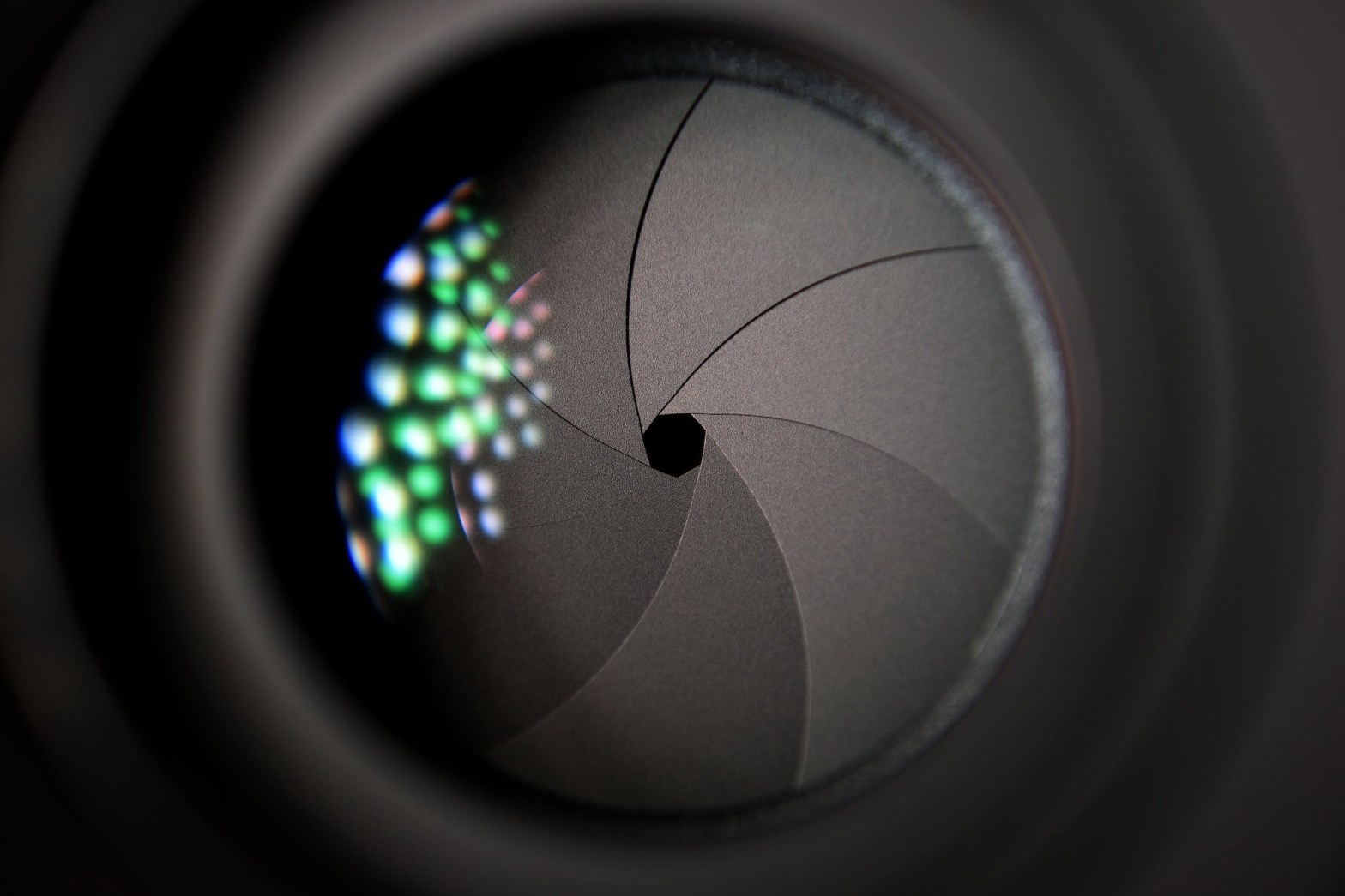
Camera sensors are at the heart of every digital camera, playing a crucial role in transforming light into a digital image. The type and size of the sensor can significantly impact the quality, clarity, and detail of the photos you take. This article aims to demystify the concept of camera sensors, explaining different types and how they affect photography.
1. What is a Camera Sensor?
A camera sensor is a silicon-based semiconductor that captures light coming through the camera’s lens. Each tiny point on the sensor represents a pixel in the final image. The sensor converts the light into an electrical signal, which the camera’s processor then translates into an image.
2. Types of Camera Sensors
There are primarily two types of camera sensors used in modern digital cameras:
- CCD (Charge-Coupled Device): Known for their high quality and low noise, CCD sensors are typically found in professional cameras. They offer excellent image quality but are generally more expensive and consume more power.
- CMOS (Complementary Metal-Oxide-Semiconductor): CMOS sensors are more common in consumer cameras and smartphones. They are more energy-efficient and cost-effective than CCDs but can sometimes produce more noise, especially in low-light conditions.
3. Sensor Sizes and Their Impact
Sensor size plays a vital role in image quality. Common sensor sizes include:
- Full Frame: Comparable to traditional 35mm film, offering excellent low-light performance and a wide field of view.
- APS-C: Smaller than full frame but still offers great quality, especially for amateur photographers.
- Micro Four Thirds: Often found in compact and mirrorless cameras, providing a balance between size, cost, and quality.
- 1-inch or Smaller: Typically found in point-and-shoot cameras and smartphones, these sensors are more budget-friendly but may lack detail and low-light performance.
4. Megapixels and Resolution
It’s essential to note that more megapixels don’t necessarily mean better image quality. The size and quality of the pixels themselves often matter more. A larger sensor with fewer megapixels might capture more detail and better dynamic range than a smaller sensor packed with pixels.
Understanding camera sensors is vital for photographers, whether amateurs or professionals. The type and size of the sensor can greatly influence your camera’s performance and the final image quality. By knowing what to look for, you can make a more informed decision when purchasing a camera, ensuring that it aligns with your specific needs and preferences.
Whether you’re capturing landscapes, portraits, or action shots, the right sensor can make all the difference. Next time you pick up a camera, you’ll have a deeper appreciation for the incredible technology that turns a moment’s glance into a lasting memory.
 SoVid Tech