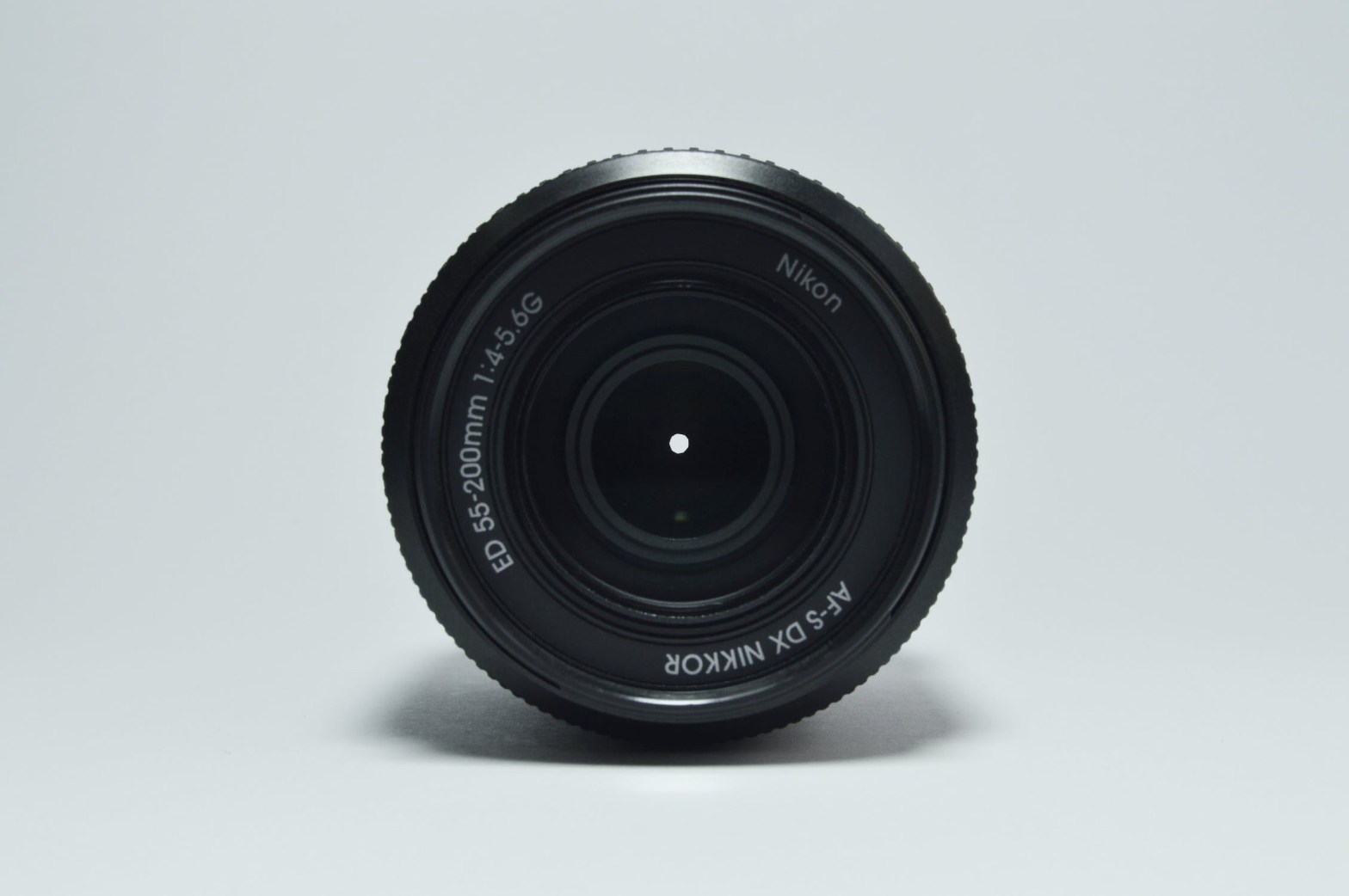
The lens is often considered the eye of a camera, shaping the image’s perspective, sharpness, and overall aesthetic. With so many lens options on the market, it can be overwhelming for beginners to know where to start. This guide will demystify camera lenses, exploring different types, their uses, and tips on choosing the right lens for your photography needs.
1. Understanding the Basics
A lens’s main specifications include focal length, aperture, and format compatibility.
- Focal Length: Measured in millimeters (mm), it defines the lens’s angle of view. A lower number means a wider angle, while a higher number offers a more zoomed-in perspective.
- Aperture: The opening that lets light into the camera, often represented by an “f” followed by a number (e.g., f/1.8). A lower number means a wider opening, allowing more light and creating a shallower depth of field.
- Format Compatibility: Make sure the lens fits your camera’s sensor size, such as full-frame, APS-C, or micro four-thirds.
2. Types of Lenses and Their Uses
- Standard Lenses (35mm to 70mm): Ideal for everyday photography, these lenses provide a view similar to the human eye.
- Wide-Angle Lenses (less than 35mm): Perfect for landscapes and architecture, these lenses capture a broad field of view.
- Telephoto Lenses (70mm and higher): Great for wildlife or sports photography, they allow you to zoom in on distant subjects.
- Prime Lenses: These have a fixed focal length, offering superior sharpness and usually wider apertures but no zoom.
- Zoom Lenses: Offering a range of focal lengths, zoom lenses provide versatility but may compromise slightly on image quality.
- Macro Lenses: Designed for extreme close-ups, like insects or flowers, these lenses provide detailed, life-size images.
- Specialty Lenses (e.g., Fisheye): These offer unique effects and perspectives but may have limited daily use.
3. How to Choose the Right Lens
- Identify Your Needs: Consider what you’ll be photographing most, whether landscapes, portraits, or close-ups.
- Set a Budget: Lenses can vary greatly in price, so set a realistic budget and look for the best options within that range.
- Consider Compatibility: Ensure that the lens you choose is compatible with your camera body, both in terms of mount and sensor size.
- Think about Versatility: If you want a lens that can handle various subjects, consider a quality zoom lens.
- Read Reviews and Test: Look for professional reviews and try the lens in a store if possible.
The lens you choose can dramatically affect your photography, so it’s worth investing time and thought into selecting the right one. From the wide-angle vistas to the detailed world of macro, there’s a lens for every creative vision. By understanding the basics and aligning your choice with your needs and budget, you can find the perfect lens to help your photography flourish. Happy shooting!
 SoVid Tech