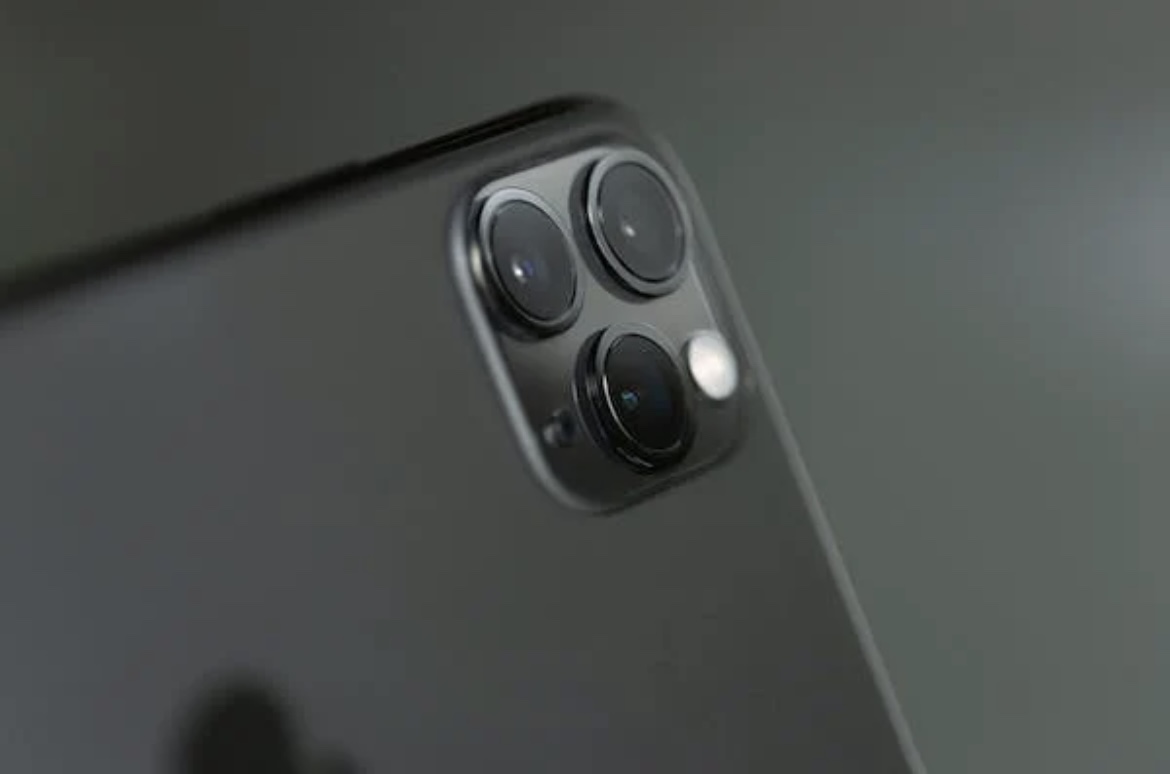
The camera technology within smartphones has seen significant advancements in recent years, prompting a valid question: How do they stack up against traditional DSLR cameras? In this article, we’ll explore the differences between smartphone cameras and DSLR cameras, considering aspects like convenience, quality, and functionality.
1. Image Quality
- Smartphone Cameras:
- Pros: Increasingly good quality, especially in flagship models, with AI-enhancements and computational photography.
- Cons: Smaller sensors, limited low-light capabilities, often struggle with dynamic range.
- DSLR Cameras:
- Pros: Larger sensors, interchangeable lenses, superior low-light performance, excellent dynamic range.
- Cons: Heavier, more expensive, requires more understanding to use effectively.
2. Convenience and Portability
- Smartphone Cameras:
- Pros: Always with you, lightweight, easy to use, quick sharing to social media.
- Cons: Limited battery life that also powers other phone functions, risk of distractions from notifications.
- DSLR Cameras:
- Pros: Dedicated tool for photography, long battery life.
- Cons: Bulky, requires carrying additional lenses and accessories, slower to share images online.
3. Functionality and Control
- Smartphone Cameras:
- Pros: User-friendly interfaces, automatic settings, AI-powered modes like portrait and night.
- Cons: Limited manual controls, fixed lenses (except some models with limited zoom or wide-angle).
- DSLR Cameras:
- Pros: Full manual control, ability to use various lenses, more creative freedom.
- Cons: Steeper learning curve, requires understanding of photography principles.
4. Versatility and Use Cases
- Smartphone Cameras: Best suited for casual photography, travel, quick captures, and social media sharing.
- DSLR Cameras: Ideal for professional photography, artistic projects, sports, wildlife, and scenarios requiring high-quality images.
5. Price Considerations
- Smartphone Cameras: Often more affordable, especially if considering the phone’s multi-functionality.
- DSLR Cameras: Generally more expensive, especially when factoring in various lenses and accessories.
Smartphone cameras and DSLRs cater to different needs and preferences. While smartphones offer unmatched convenience and are increasingly capable of producing excellent images, DSLRs remain the choice for those seeking professional quality and creative control.
If you’re an everyday photographer looking to capture memories and share them instantly, a smartphone may be all you need. But if you’re pursuing photography as a hobby or profession, investing in a DSLR will provide the tools and flexibility to elevate your work.
Ultimately, the choice between smartphone and DSLR cameras depends on your goals, budget, and the importance you place on image quality and creative expression. In a world where visual storytelling is more accessible than ever, both options have their unique place and value.
 SoVid Tech