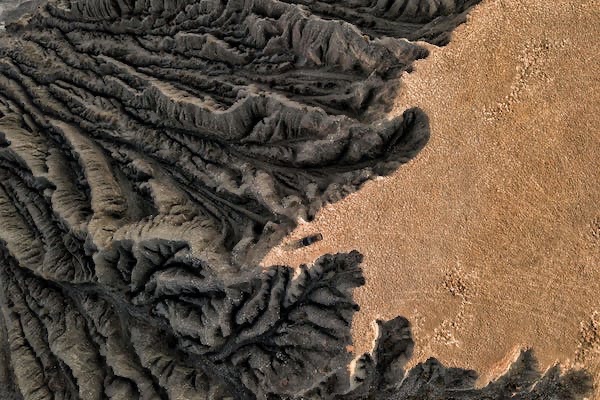
Aerial photography has opened up new vistas and perspectives, transforming the way we capture landscapes, cityscapes, and more. With the accessibility of drones, this exciting form of photography is no longer restricted to professionals. This guide will walk you through getting started with aerial photography using drones, highlighting essential tips, techniques, and legal considerations.
1. Choosing the Right Drone
Selecting a suitable drone is the first step towards successful aerial photography. Consider factors like:
- Camera Quality: Look for drones with good resolution, image stabilization, and the ability to shoot in RAW format.
- Flight Time: Longer flight times allow more time to capture the perfect shot.
- Ease of Use: Some drones come with beginner-friendly features and automated flight modes.
- Budget: Determine your budget and find a drone that offers the best value within that range.
2. Understanding Legal Considerations
Before taking flight, it’s vital to understand the legal aspects of drone operation:
- License and Registration: Check your country’s regulations concerning drone licenses, certifications, and registration.
- No-Fly Zones: Be aware of restricted areas such as airports, military bases, or densely populated regions.
- Privacy Concerns: Respect people’s privacy and avoid flying over private property without permission.
3. Developing Your Skills
Starting with a drone can be daunting, so consider these tips:
- Practice: Spend time practicing in open, obstacle-free areas to understand your drone’s controls.
- Use Automated Modes: Many drones offer modes like “follow me” or “orbit” that make capturing dynamic shots easier.
- Experiment with Angles: Aerial photography offers unique perspectives, so don’t be afraid to experiment with different angles and heights.
4. Composition and Creativity
- Plan Ahead: Research and plan your shots in advance, considering factors like weather, lighting, and time of day.
- Emphasize Patterns and Shapes: Aerial views reveal patterns and geometric shapes that aren’t visible from the ground. Look for these in landscapes, architecture, or even crowds.
- Tell a Story: Think about the story or emotion you want to convey through your photographs.
5. Post-Processing
Editing can enhance your aerial photos:
- Color Correction: Adjust colors to make the images pop and reflect the scene’s true beauty.
- Cropping and Alignment: Ensure horizons are straight and crop if needed to improve composition.
- Use Filters Sparingly: While filters can add flair, avoid overusing them, as it may diminish the natural allure of aerial shots.
Aerial photography using drones is a thrilling and rewarding pursuit, offering opportunities to see the world from entirely new angles. By carefully selecting equipment, understanding legalities, honing skills, and embracing creativity, you can capture breathtaking images that stand out.
Remember, patience and practice are key, as mastery of aerial photography won’t happen overnight. Always fly responsibly, and keep exploring, learning, and growing in this fascinating photographic field. The sky’s not the limit; it’s just the beginning!
 SoVid Tech