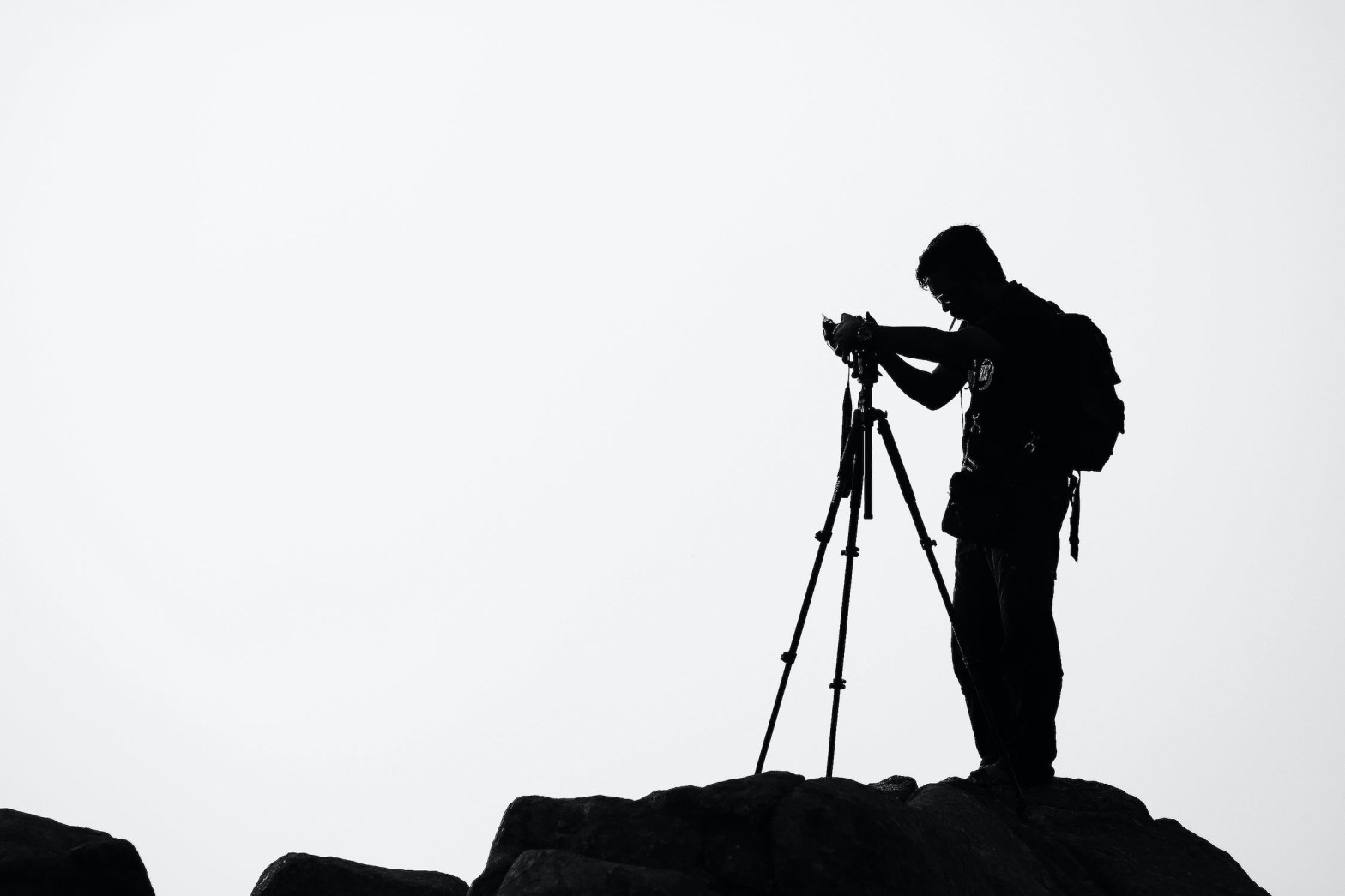
A tripod is one of the most valuable accessories a photographer can own, providing stability for capturing sharp, blur-free images and videos. Whether you’re shooting long exposures, landscapes, or studio portraits, the right tripod can make a world of difference. But with so many options available, how do you choose the perfect one? This guide will help you navigate the factors to consider when selecting the right tripod for your needs.
1. Weight Capacity
- Determine Your Gear’s Weight: Consider the weight of your camera and the heaviest lens you’ll be using. Your tripod should support at least 1.5 times this combined weight.
- Light vs. Heavy Tripods: Lighter tripods are great for travel, but heavy-duty models provide more stability, especially for larger camera setups.
2. Height and Stability
- Maximum and Minimum Height: Consider a tripod that extends to your eye level and has a minimum height that suits your preferred shooting style (e.g., macro photography).
- Leg Sections: Tripods with more leg sections offer greater height adjustment but may be less stable.
3. Material and Construction
- Aluminum vs. Carbon Fiber: Aluminum tripods are usually more affordable and sturdy, while carbon fiber models are lighter and absorb vibrations better.
- Build Quality: Check for a well-constructed tripod with sturdy joints, locks, and no wobbling.
4. Head Type
- Ball Heads: Flexible and easy to adjust, great for various shooting situations.
- Pan-and-Tilt Heads: Offer precise control, ideal for landscapes and architectural shots.
- Fluid Heads: Designed for smooth video panning and tilting.
5. Portability and Travel Considerations
- Folded Length: If you travel frequently, look for a tripod that folds compactly.
- Weight: Lighter tripods are easier to carry but may sacrifice some stability.
6. Features and Accessories
- Quick Release Plates: These allow for easy mounting and unmounting of the camera.
- Bubble Level: Helps ensure the tripod is level, particularly useful for landscape photography.
- Adjustable Feet and Spikes: Provide stability on various terrains.
7. Price and Brand Considerations
- Budget: Set a budget that aligns with your needs, but remember, a quality tripod is a long-term investment.
- Brand Reputation: Consider reputable brands known for quality and durability.
Choosing the perfect tripod involves a careful assessment of your specific needs, shooting style, and budget. From the type of material to the head design and additional features, each aspect of a tripod can impact its functionality and suitability for your photography.
Take the time to try out different options in a store if possible, and consult reviews from other photographers. The right tripod will not only enhance your photographic skills but will also serve as a reliable companion in your creative endeavors. Remember, it’s about finding the right balance between stability, portability, functionality, and cost. Happy tripod hunting!
 SoVid Tech