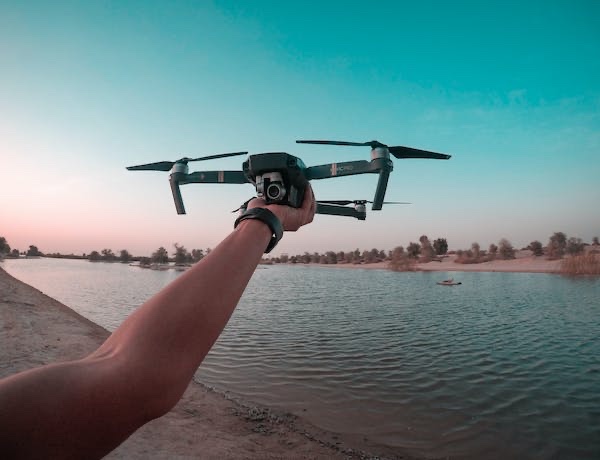
Drones have revolutionized the way we capture videos, adding dynamism and a bird’s-eye perspective that was previously reserved for high-budget productions. The art of drone videography is both exciting and challenging, requiring a blend of technical know-how and creative flair. Here are some essential tips and techniques to help you master the craft.
1. Know Your Drone
Understanding your drone’s capabilities is key:
- Camera Settings: Familiarize yourself with resolution options, frame rates, and exposure controls.
- Stabilization: Most modern drones come with gimbal stabilization. Ensure it’s properly calibrated for smooth footage.
- Flight Modes: Explore automated flight modes like “follow me” or “orbit” to create complex shots with ease.
2. Planning and Storyboarding
Thoughtful planning leads to captivating videos:
- Storyboarding: Outline your shots and sequences in advance.
- Location Scouting: Select locations that are visually engaging and legally permissible for drone flying.
- Weather and Lighting: Monitor weather conditions and plan to shoot during golden hours for the best natural light.
3. Composition and Creativity
- Rule of Thirds: Apply this classic principle to frame your shots aesthetically.
- Use Foreground Elements: Incorporate objects in the foreground to add depth and motion parallax.
- Experiment with Angles: Vary your drone’s altitude and angle to find unique perspectives.
4. Recommended Settings
Here are some general settings to start with:
- Resolution: 4K allows flexibility in post-production but requires more storage.
- Frame Rate: 24 or 30 fps for a cinematic look; 60 fps if you plan to use slow motion.
- Shutter Speed: Aim for double your frame rate for natural motion blur (use ND filters if necessary).
5. Accessories to Consider
- Neutral Density (ND) Filters: Control exposure and achieve proper motion blur.
- Extra Batteries: More flight time means more opportunities to get the perfect shot.
- Landing Pads: Protect your drone during takeoff and landing, especially in uneven terrains.
6. Safety and Legal Compliance
- Understand Local Regulations: Always comply with local laws regarding drone flying.
- Be Mindful of Privacy: Respect private property and avoid filming people without consent.
- Check Equipment: Conduct pre-flight checks to ensure everything is in working order.
7. Post-Production Magic
- Editing Software: Invest in quality software to cut, color grade, and add effects.
- Music and Sound: Pair your visuals with fitting music or sound effects to enhance the mood.
- Review and Revise: Don’t be afraid to revisit and tweak your work for the best results.
Drone videography offers endless possibilities to elevate your storytelling and create mesmerizing visuals. By investing time in planning, understanding your equipment, applying artistic principles, and adhering to safety and legal guidelines, you can master the art of drone videography.
Remember, practice and patience are vital, and every flight is an opportunity to learn and grow. Keep pushing your creative boundaries, and let your imagination take flight. The sky’s not a limit; it’s a canvas. Happy filming!
 SoVid Tech