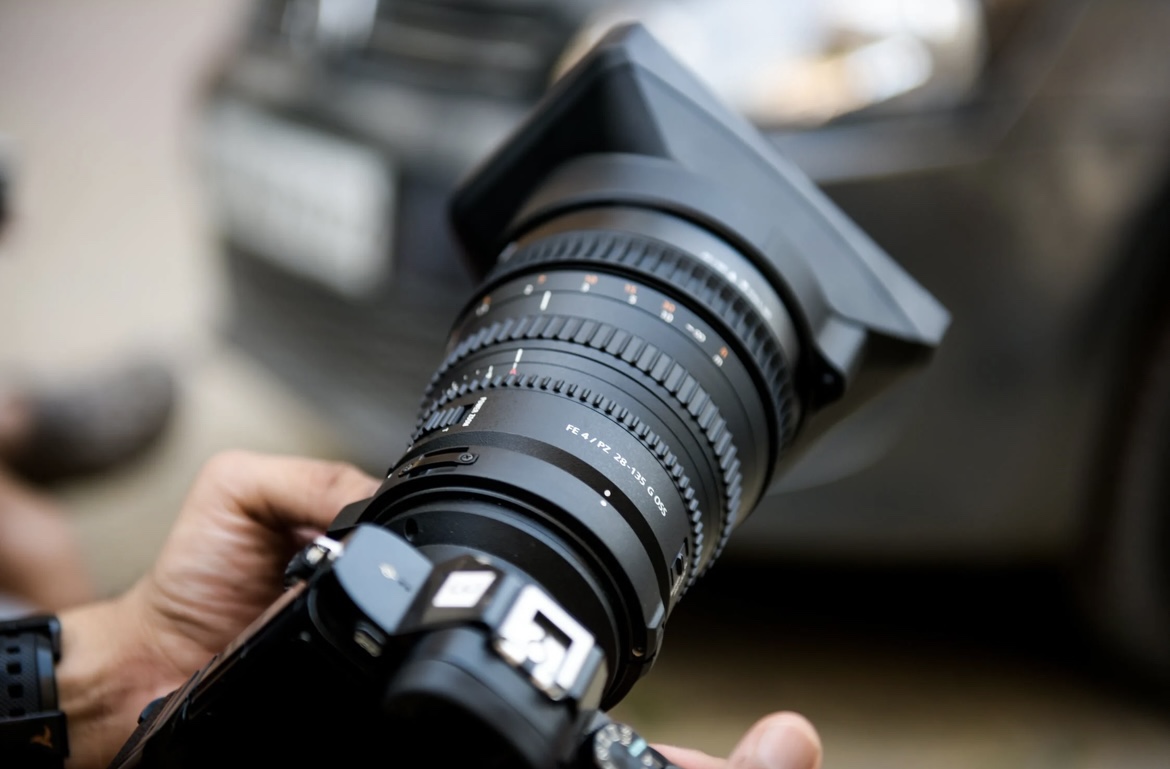
While autofocus has become a default feature in modern cameras, delivering speed and convenience, manual focus (MF) remains a powerful tool in the hands of photographers who desire absolute creative control. Understanding how and when to use manual focus can drastically enhance the quality and artistry of your shots. Let’s delve into the world of manual focusing and explore its advantages and techniques.
1. Why Choose Manual Focus?
- Precision: Autofocus may sometimes latch onto the wrong subject or area. With manual focus, the control is in your hands.
- Challenging Conditions: In low-light, through obstacles like glass, or when subjects are closely bunched, autofocus can struggle. MF thrives here.
- Artistic Control: For creative effects like selective focus or focus pulling in videos, manual focus is invaluable.
2. Getting Started with Manual Focus
- Switching Modes: Almost all digital cameras have a switch on the lens or body marked AF (autofocus) and MF (manual focus). Simply switch to MF.
- Focusing Ring: Located on the lens, this ring is rotated to adjust focus manually. Turn it slowly to see changes in sharpness.
3. Techniques to Master Manual Focus
- Focus Peaking: Many modern cameras highlight in-focus edges in a specific color. This visual aid is immensely helpful.
- Magnification: Use the zoom/magnify function on your camera to get a closer view of your subject, ensuring sharper focus.
- Hyperlocal Distance: Especially useful for landscapes, this technique involves setting focus at the optimal distance to get the maximum area in sharp focus.
- Pre-focusing: For predictable motion (like sports or street photography), pre-set your focus on a spot where the action will happen.
4. Scenarios to Use Manual Focus
- Macro Photography: When dealing with subjects up close, like insects or flowers, MF offers precision.
- Portraits: To ensure the eyes are tack sharp, use MF.
- Astrophotography: Autofocus often fails in capturing stars. Manual focus ensures you capture the beauty of the night sky.
- Through Obstructions: Shooting through windows, fences, or foliage? MF lets you decide what’s sharp.
5. Tips for Better Manual Focusing
- Steady Hands: Use a tripod or stabilize your hands to minimize shake.
- Practice: The more you practice, the better you’ll get at judging distances and sharpness.
- Use Wide Apertures for Shallow Depth of Field: This will make it easier to see what’s in focus and what’s not.
- Trust Your Eyes, But Use Tools: While your eyes are the best judge, don’t hesitate to use focus peaking or magnification.
Embracing manual focus can be a game-changer, giving you the power to produce images that truly resonate with your vision. It’s about patience, practice, and understanding the nuances of your camera and subjects. So the next time you’re out with your camera, switch to manual focus, and revel in the unparalleled creative freedom and precision it offers. Happy shooting!
 SoVid Tech