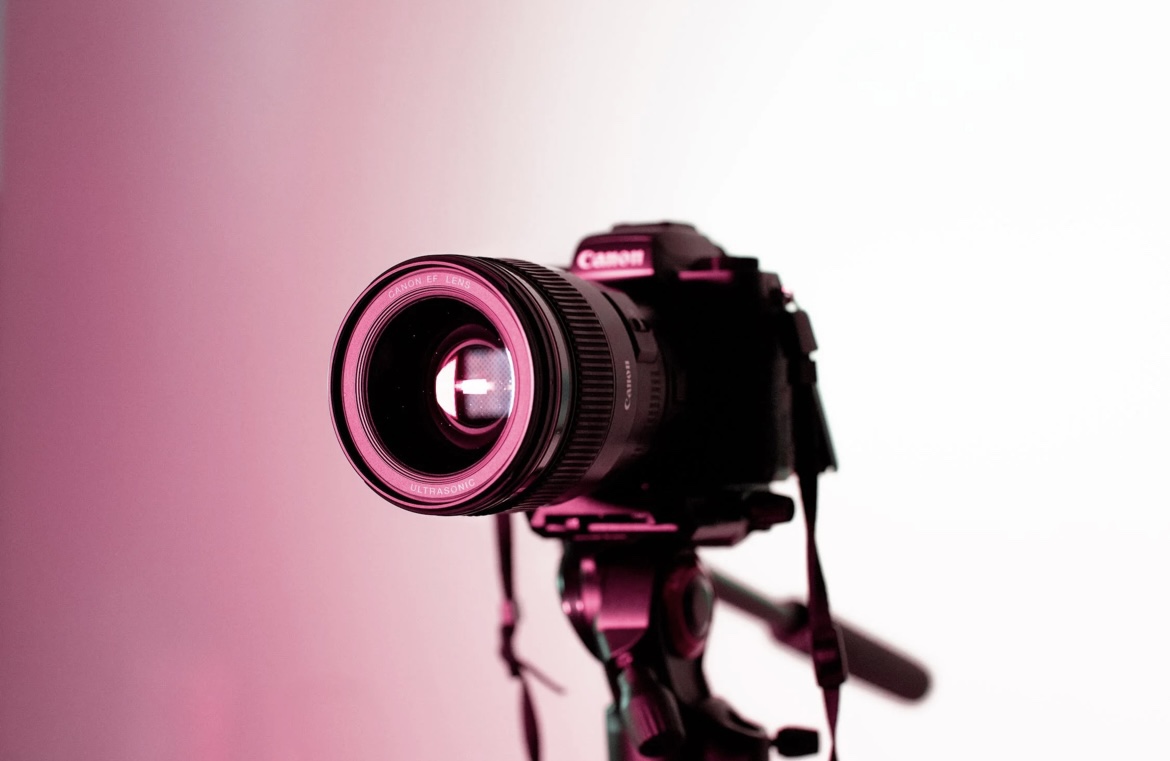
Photography, an art form and a science, has continually evolved since its inception, capturing moments and painting history in the process. From the very first image to the high-definition photos we snap today with our smartphones, the journey of photography is as picturesque as the images it produces. Let’s take a trip down memory lane and trace the evolution of this powerful medium.
1. The Dawn: Daguerreotypes (1839)
Louis Daguerre introduced the first publicly available photographic process known as the daguerreotype. These images, rendered on a silvered copper plate, were delicate, singular, and required long exposure times, making portraiture a test of patience.
2. Tintypes and Ambrotypes (1850s)
Soon after, cheaper methods like tintypes (created on thin metal plates) and ambrotypes (on glass) came into the scene, making photography more accessible to the masses.
3. Birth of Film: George Eastman’s Kodak (1888)
The true democratization of photography began with George Eastman’s Kodak camera. Using a roll of film, it simplified the process, famously marketed with the slogan, “You press the button, we do the rest.”
4. Color Photography (1930s)
While early photographs were monochromatic, experiments with color began in the 19th century. By the 1930s, Kodachrome film offered vibrant, long-lasting color images, revolutionizing the world of photography.
5. The Rise of the SLR (Single-Lens Reflex) (1960s)
The SLR cameras, with their interchangeable lenses and through-the-lens viewing, gave photographers unprecedented creative control, setting a new standard in professional photography.
6. Instant Gratification: Polaroid (1970s)
Edwin Land’s Polaroid provided instant photos, creating waves in consumer photography. The joy of seeing an image develop before one’s eyes was nothing short of magical.
7. Digital Revolution (Late 1990s – 2000s)
Digital cameras, initially limited to professionals due to their high cost, started becoming affordable. The ability to see, edit, and delete photos instantly, combined with the infinite storage possibilities, marked the beginning of the end for film.
8. The Smartphone Era (2010s – Present)
Today, everyone’s a photographer. With powerful cameras fitted in smartphones, combined with sophisticated editing apps, photography is now ubiquitous, instant, and shared globally in seconds.
9. The Role of Software and AI (Present)
Modern photography leans heavily on software. From computational photography that combines multiple images for the perfect shot to AI enhancements that optimize settings in real time, the line between pure photography and digital artistry is continually blurring.
Photography’s journey, from capturing reality on metal plates to manipulating it digitally, is a testament to human innovation. As technology advances, the essence of photography — capturing moments, emotions, and stories — remains unchanged. It reminds us that while tools evolve, the heart of photography, the art of seeing and storytelling, is timeless.
 SoVid Tech