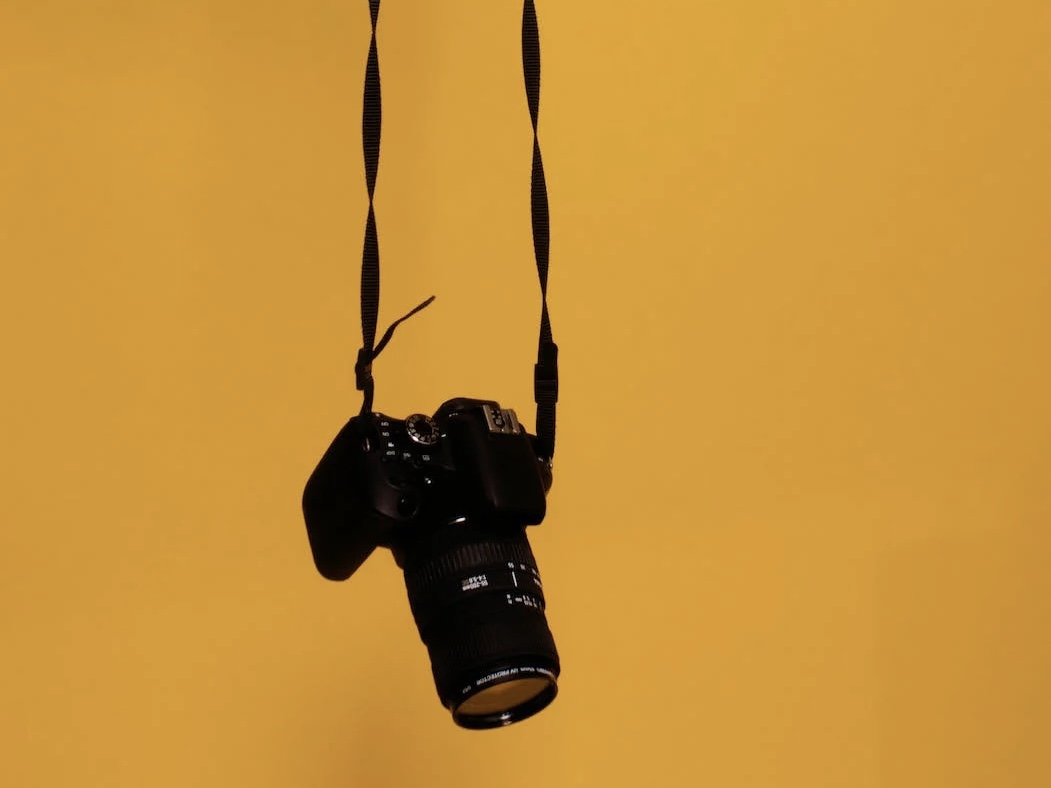
Cameras are an invaluable tool for capturing memories, telling stories, and expressing artistic visions. However, like all electronics, they are susceptible to damage from the elements and everyday wear. Here’s a comprehensive guide on ensuring your camera’s longevity.
Storage and Transport: Keeping it Safe
- Camera Bag: Invest in a padded camera bag that offers compartments for your camera, lenses, and other accessories. The padding acts as a shock absorber, protecting your gear from bumps and drops.
- Silica Gel Packs: Store these in your camera bag. They absorb moisture, preventing fungal growth on your lenses.
- Lens Caps & Camera Body Caps: Always place caps on your lenses and camera body when they’re not in use to protect against dust and scratches.
Weatherproofing: Shielding from the Elements
- Weather-Sealed Gear: If you frequently shoot outdoors, consider investing in weather-sealed cameras and lenses. They offer added protection against dust, moisture, and minor splashes.
- Rain Covers: These are essential for shooting in unpredictable or wet conditions. They’re lightweight, portable, and ensure your gear remains dry.
- Avoid Extreme Temperatures: Prolonged exposure to extreme cold or heat can damage your camera. If you’re in cold conditions, allow your camera to acclimate to room temperature slowly to prevent condensation.
Maintenance: Regular Checks and Cleans
- Lens Cleaning: Use a soft lens brush or a rocket blower to gently remove dust. For smudges or fingerprints, a microfiber cloth and lens cleaning solution will do the trick.
- Sensor Cleaning: Dust on the sensor can show up in your photos. While many cameras have built-in sensor cleaning functions, for stubborn dust, consider a sensor cleaning kit or professional cleaning.
- Firmware Updates: Camera manufacturers often release updates that can improve performance or fix bugs. Regularly check for and install these updates.
Avoiding Common Hazards: Prevention is Better than Cure
- Beach Warning: Sand can be disastrous for cameras. Always use a protective bag and avoid changing lenses on the beach.
- Strap It: Always use a neck or wrist strap to prevent accidental drops.
- Food & Drink: Keep your camera away from food and drink to avoid spill-related accidents.
Insurance: For Peace of Mind
Accidents happen. If your camera is a significant investment, consider insuring it. Many companies offer specialized photography gear insurance that covers theft, accidental damage, and even some forms of wear.
A camera is more than just a piece of technology; it’s an extension of your creative vision. By taking the time to care for and protect it, you’re ensuring that it continues to help you capture the world as you see it for years to come.
 SoVid Tech