Drones have soared from niche gadgets to mainstream tools in just a few years. Whether it’s aerial photography, package delivery, or agriculture, drones are reshaping numerous industries. As we hover at the cusp of a new era, let’s peer into the future of drone technology.
1. Enhanced Autonomy Through AI
Artificial Intelligence (AI) is rapidly seeping into the world of drones. AI-powered drones will be better at object detection, collision avoidance, and complex navigation. They’ll be able to make real-time decisions, adjusting flight paths based on environmental changes or unforeseen obstacles.
2. Swarming Drones
Drawing inspiration from nature, especially birds and insects, drone ‘swarms’ are on the rise. These are large groups of small drones that operate in coordination. Their potential applications range from synchronized light shows to agriculture and large-scale environmental monitoring.
3. Improved Battery Life and Range
One current limitation of drones is their flight time. As battery technologies advance, drones will stay airborne longer. We can also anticipate solar-powered drones, which will recharge during daylight, significantly extending their flight duration.
4. Noise Reduction Technologies
Drone noise can be a nuisance. Innovations are in progress to reduce drone noise, making them more community-friendly, especially in urban areas where drone deliveries might become commonplace.
5. Advanced Sensory Capabilities
Future drones will be equipped with enhanced sensors, giving them capabilities like thermal imaging, LIDAR, and advanced night vision. These will be crucial for tasks such as search and rescue missions, surveillance, and environmental monitoring.
6. Compact and Foldable Designs
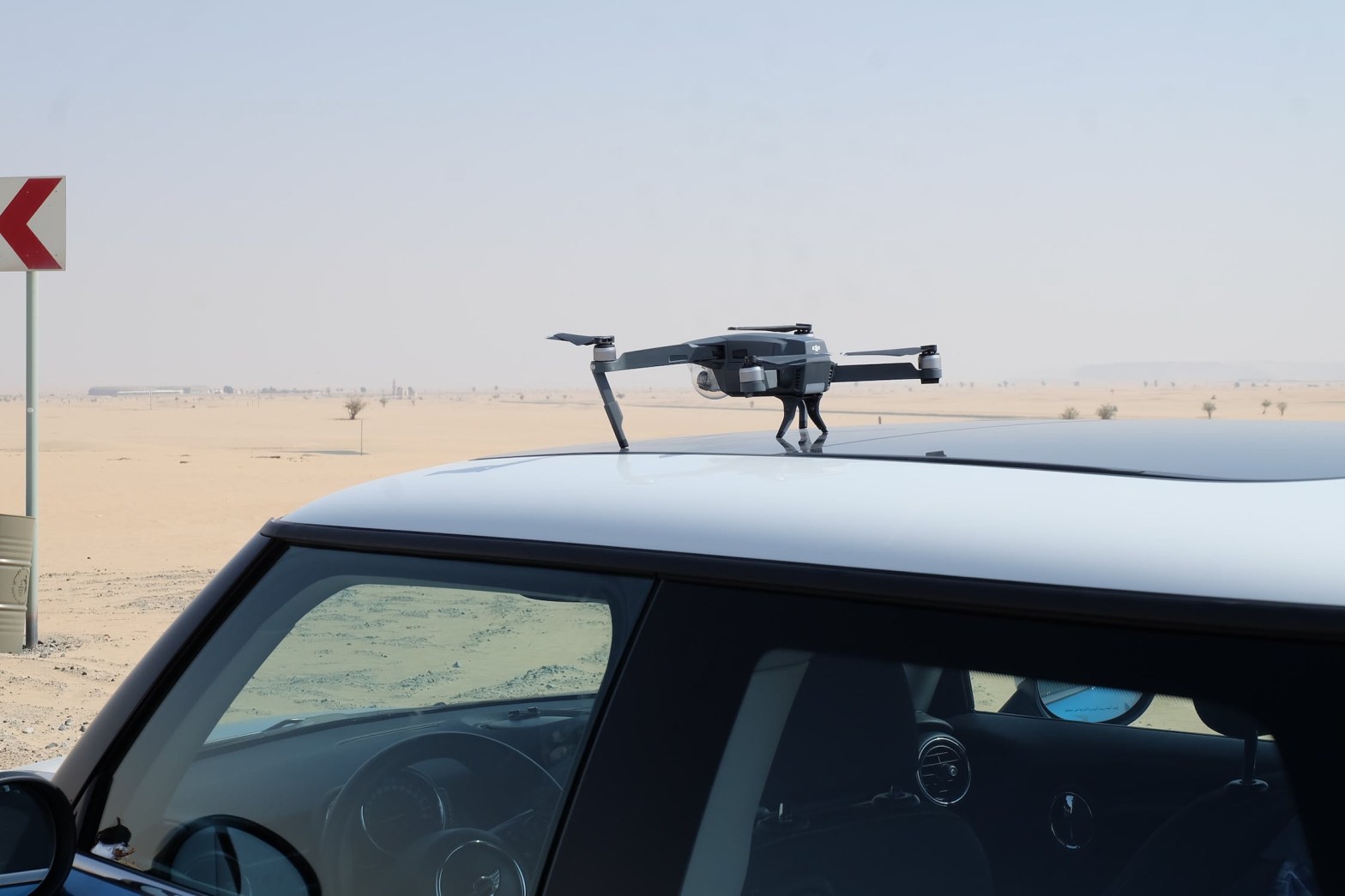
Drones will continue to become more portable. With foldable arms and rotors, these gadgets will be easy to carry, making them perfect companions for travelers and outdoor enthusiasts.
7. Enhanced Safety Features
Safety remains paramount. The drones of the future will have advanced geofencing, ensuring they stay out of restricted zones. They’ll also feature parachute systems that deploy during malfunctions, ensuring a safe descent.
8. Integration with Augmented Reality (AR) and Virtual Reality (VR)
Imagine flying a drone and experiencing the flight as if you were on board. Through VR, users will enjoy immersive flight experiences. On the other hand, AR will overlay critical information onto controllers’ screens, aiding in navigation and mission planning.
9. Versatile Applications in Various Industries
From healthcare, where drones might deliver emergency medical supplies, to agriculture, where they’ll monitor crop health and growth, the applications will diversify. We’ll also see their role expand in journalism, entertainment, and even space exploration.
The drone revolution is just beginning. As technology evolves, the boundaries of what drones can achieve will expand. One thing is clear: the sky is not the limit. The horizon beckons, and the future of drone tech promises to be nothing short of spectacular.
 SoVid Tech