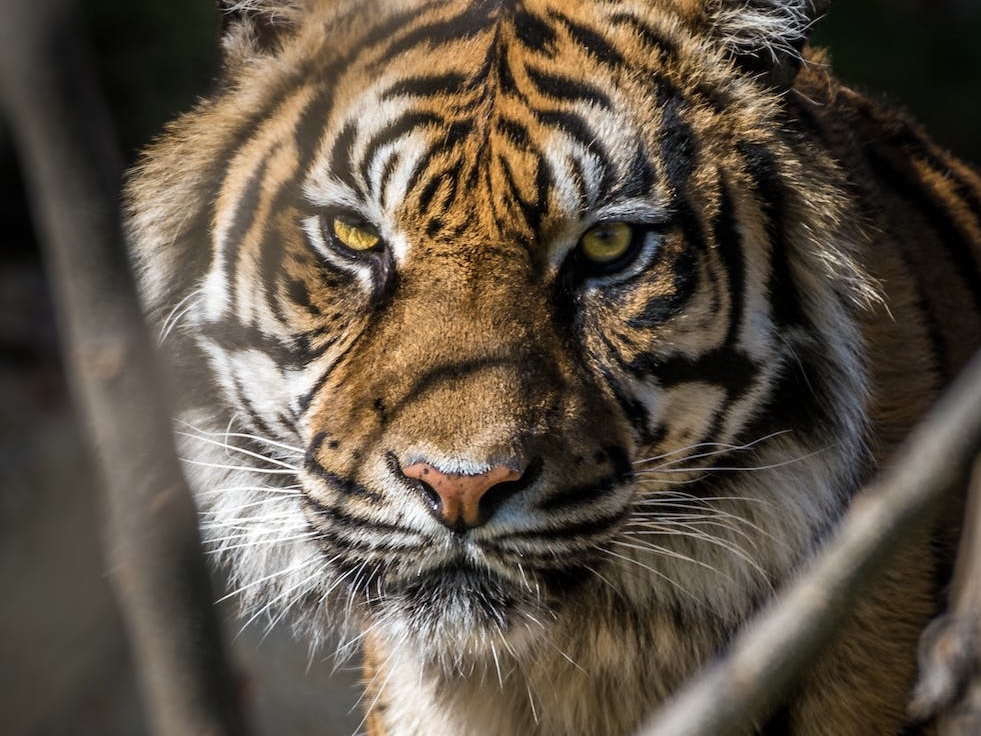
Wildlife photography is a thrilling blend of patience, technique, and a deep respect for nature. Venturing into the wild to capture stunning shots of animals in their natural habitat is an adventure in itself. This guide delves into the essentials for budding wildlife photographers.
Equipment Essentials:
- Telephoto Lens: This allows you to photograph animals from a distance, ensuring you don’t disturb them and stay safe. A lens with a focal length of 400mm or more is recommended.
- Tripod: A sturdy tripod helps eliminate camera shake, especially when using heavy telephoto lenses.
- Camera with Fast Autofocus: Animals move quickly! A camera with a fast autofocus system helps you capture sharp images even when the subject is in motion.
- Bean Bag: Perfect for stabilizing your camera on car windows or uneven surfaces.
- Weatherproof Equipment: Mother Nature can be unpredictable. Weatherproof bags and camera covers can be invaluable.
Tips for The Perfect Shot:
- Know Your Subject: Research about the animals you hope to photograph. Understanding their behavior will help you anticipate their movements.
- Golden Hours are Golden: Early mornings and late afternoons usually offer the best light and active wildlife.
- Eye Level Magic: Photographing animals at their eye level brings a personal and intimate feel to the image.
- Background Matters: A clean, non-distracting background can make your subject pop. Look for natural settings without human-made structures or disturbances.
- Practice Patience: Wildlife photography often requires waiting for hours for the perfect shot. Embrace the process.
Ethical Practices:
- Avoid Disturbance: Respect the animals and their habitats. If an animal appears stressed or changes its behavior due to your presence, it’s time to back off.
- Don’t Feed the Wildlife: Feeding can make animals dependent on humans and can alter their natural behavior.
- Stay on Designated Paths: Trampling on undesignated areas can damage fragile habitats.
- No Baiting: Using live or fake bait to lure animals is unethical and can put both you and the animals at risk.
- Share Responsibility: If you see others acting irresponsibly, gently remind them of the ethical practices. We’re all stewards of nature.
Wildlife photography is not just about capturing beautiful shots; it’s about narrating the stories of the wild. It’s a testament to the beauty of our planet and the creatures that inhabit it. As you venture out with your camera, always prioritize the well-being of the animals and the environment over the shot. After all, true appreciation of nature means ensuring its safety and preservation.
 SoVid Tech