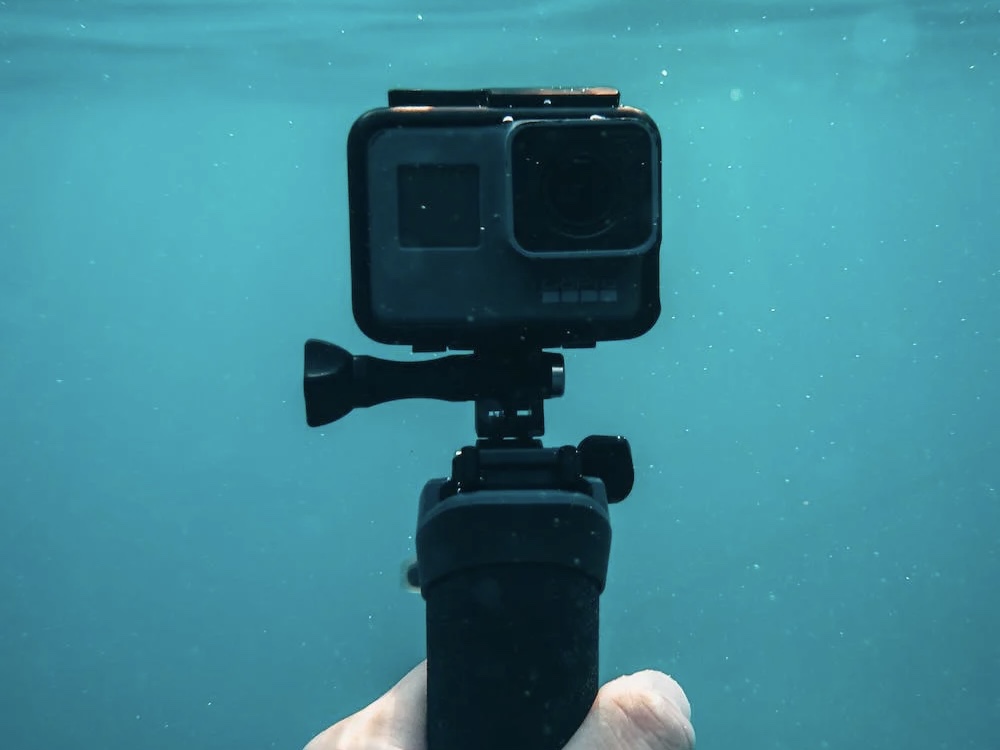
Underwater photography is like discovering an entirely new world. Every plunge beneath the waves reveals vibrant corals, mesmerizing marine life, and the serene beauty of the aquatic realm. But capturing this splendor is no small feat. Dive with us as we explore the nuances and techniques of underwater photography.
1. Gear Up:
- Underwater Camera Housings: Even if your camera is ‘waterproof,’ a specialized housing is essential for deeper dives. These casings protect your camera from water and pressure.
- External Strobes and Lights: Natural light fades rapidly underwater. External strobes help illuminate the scene, bringing out the true colors of marine life.
- Wide-angle and Macro Lenses: A wide-angle lens captures vast scenes like coral reefs, while a macro lens is perfect for detailed shots of smaller creatures.
2. Master the Basics:
- Buoyancy Control: Before snapping photos, learn to control your buoyancy. Good buoyancy ensures you don’t disturb marine life or damage the coral.
- Get Close, Then Closer: Water can reduce color, contrast, and sharpness. The closer you are to the subject, the clearer your shots will be.
- Mind Your Shutter Speed: Faster shutter speeds capture fast-moving fish, while slower speeds are great for static scenes.
3. Understanding Light Underwater:
- Reds and Oranges First to Go: As you descend, red and orange wavelengths get absorbed first, making scenes appear blue-green. Using a flashlight or strobe can reintroduce these colors.
- White Balance: Regularly adjust your camera’s white balance or shoot in RAW to correct colors during post-processing.
4. Respect the Marine Environment:
- Look, Don’t Touch: It’s tempting to get that perfect shot, but never disturb or harass marine creatures. Some can be very fragile, and touching can cause them harm.
- Be Aware of Your Surroundings: Avoid dragging equipment or kicking up sand, which can damage habitats and reduce photo clarity.
5. Post-Dive Processing:
- Editing Tools: Software like Lightroom and Photoshop can help correct colors, enhance sharpness, and remove unwanted particles.
- Cropping: Given the vastness of the ocean, sometimes subjects appear smaller in frame. Don’t be afraid to crop for a tighter composition.
6. Keep Learning:
The ocean is vast and ever-changing. Join diving groups, attend workshops, and continuously hone your underwater photography skills.
Underwater photography offers a passport to a world less explored, filled with colors and creatures beyond imagination. But like any art, it demands patience, respect, and a continuous desire to learn. So gear up, dive deep, and let the mysteries of the deep blue inspire your next great shot!
 SoVid Tech