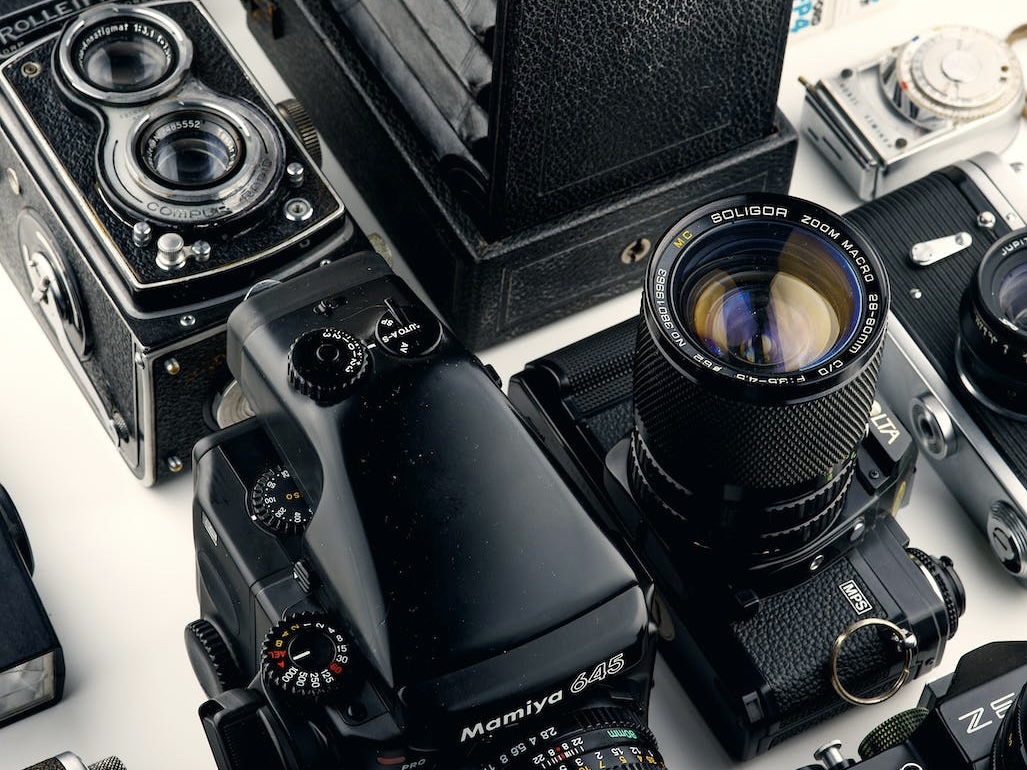
For many, a camera is a magical device that captures memories. Yet, if you peel back its layers, it’s a marvel of engineering and design. Let’s journey through the core components that make up the anatomy of a camera, demystifying its intricate workings.
1. The Sensor: Heart of the Digital Camera
- Role: It’s the digital age equivalent of film, capturing light and transforming it into an image.
- Types: Sensors come in various sizes like Full-Frame, APS-C, and Micro Four Thirds. The size plays a pivotal role in image quality, depth of field, and field of view.
2. The Lens: The Camera’s Eye
- Function: Lenses direct light onto the sensor. Their design determines how the subject will be portrayed in the final image.
- Elements: A lens consists of multiple glass elements, each serving a specific purpose in refining the light’s pathway.
- Aperture: Located within the lens, the aperture controls the amount of light reaching the sensor. It’s responsible for the depth of field in images.
3. The Shutter: Controlling Light Exposure
- Mechanism: Think of it as a curtain in front of the sensor. When you take a photo, the shutter opens and closes, allowing light to hit the sensor for a specified duration.
- Shutter Speed: Determines how long the shutter remains open. Faster speeds freeze motion, while slower speeds introduce motion blur.
4. The Mirror: DSLR’s Unique Component
- Role (In DSLRs): Directs light from the lens up into the optical viewfinder. When you press the shutter button, the mirror flips up, allowing light to reach the sensor.
- Mirrorless Cameras: As the name suggests, they lack this mirror mechanism, instead, providing a digital display or electronic viewfinder.
5. The Viewfinder: Your Window to the World
- Optical Viewfinder (OVF): Found in DSLRs, it lets you see your subject directly through the lens.
- Electronic Viewfinder (EVF): Common in mirrorless cameras, it displays a digital image of the scene, often with added information overlays.
6. The Image Processor: The Camera’s Brain
- Function: Once the sensor captures the light, the image processor translates it into a recognizable image. It adjusts colors, sharpness, and helps reduce noise.
- Performance: A faster processor not only produces better images but also allows for quicker continuous shooting and faster autofocus.
7. Buttons and Dials: Customization and Control
From the mode dial, letting you choose between manual, aperture priority, and other modes, to buttons that adjust ISO, white balance, and more – these controls give photographers the tools to capture their vision precisely.
A camera is more than just the sum of its parts. While understanding its anatomy and the role of each component can enhance your photographic skills, it’s the synergy between the artist and their instrument that creates magic. Whether you’re a budding photographer or a seasoned pro, taking a moment to appreciate the marvels of camera engineering can only deepen your connection to the craft.
 SoVid Tech