Best Photography Apps: Tools to Enhance Your Mobile Shots


In an era where the best camera is the one you have with you, smartphones have risen to the occasion. But having a good camera is just one part of the equation; the right apps can transform your mobile shots from good to extraordinary. Here’s a roundup of some of the best photography apps available in 2023.

1. VSCO: The Vintage Touch

  • Features: Known for its stunning presets and film-like filters, VSCO provides an array of tools to edit and enhance your photos.
  • Why It Stands Out: The user-friendly interface paired with advanced editing tools makes it a favorite among both novices and professionals.

2. Adobe Lightroom Mobile: Pro Editing on the Go

  • Features: This mobile version offers powerful editing capabilities, from simple tweaks to advanced corrections.
  • Why It Stands Out: Integration with the desktop version and cloud storage makes workflow seamless, allowing edits to be synchronized across devices.

3. Snapseed: Fine-Tuned Adjustments

  • Features: Developed by Google, Snapseed provides an extensive suite of editing tools and filters.
  • Why It Stands Out: The ‘Selective Adjust’ tool lets users pinpoint and adjust specific areas of an image, offering a level of precision rarely seen in mobile apps.

4. ProCam: DSLR-Like Controls

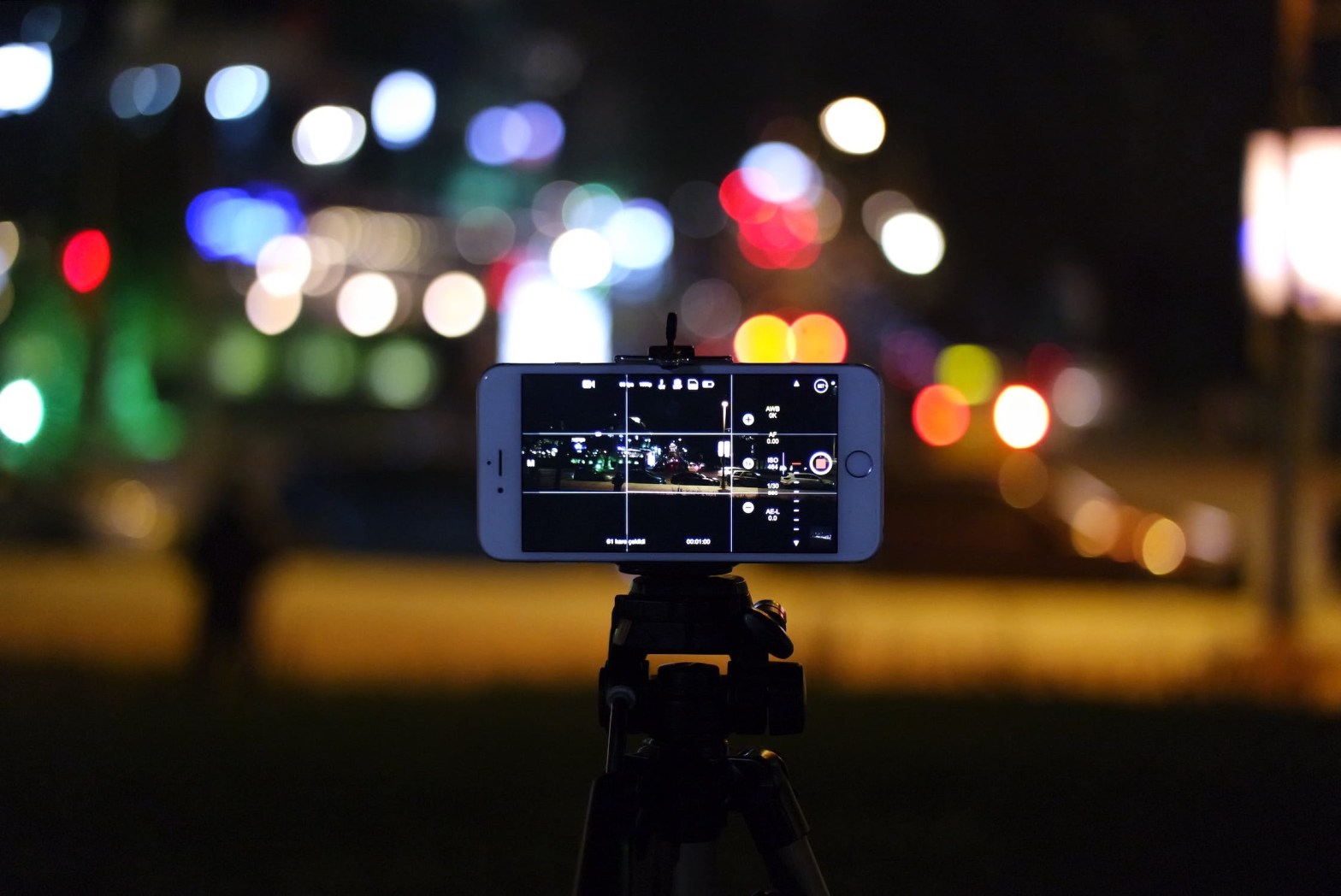
  • Features: ProCam offers manual control over settings like ISO, shutter speed, and focus, turning your smartphone into a quasi-DSLR.
  • Why It Stands Out: The app also provides advanced video features, including 4K video recording and time-lapse.

5. Prisma: Artistic Flair

  • Features: Prisma uses AI to transform your photos into artwork based on different art styles, from Van Gogh to contemporary illustrations.
  • Why It Stands Out: Unlike many filter-based apps, Prisma’s results truly feel like handcrafted artwork.

6. TouchRetouch: Erase Unwanted Elements

  • Features: TouchRetouch lets you effortlessly remove unwanted objects from your photos, be it power lines, photobombers, or blemishes.
  • Why It Stands Out: Its intuitive interface and powerful content-aware tools make object removal look natural and seamless.

7. Moment Pro Camera: For the Enthusiasts

  • Features: This app provides full manual control, with features tailored for those using Moment’s lens attachments.
  • Why It Stands Out: It’s the best companion for mobile photographers invested in Moment’s hardware ecosystem, ensuring optimal performance.

In the world of mobile photography, apps have the power to elevate your shots to new heights. Whether you’re looking to make quick edits on the fly or delve deep into advanced post-processing, there’s an app tailored to your needs. With these tools in your pocket, every shot you take has the potential to be a masterpiece.
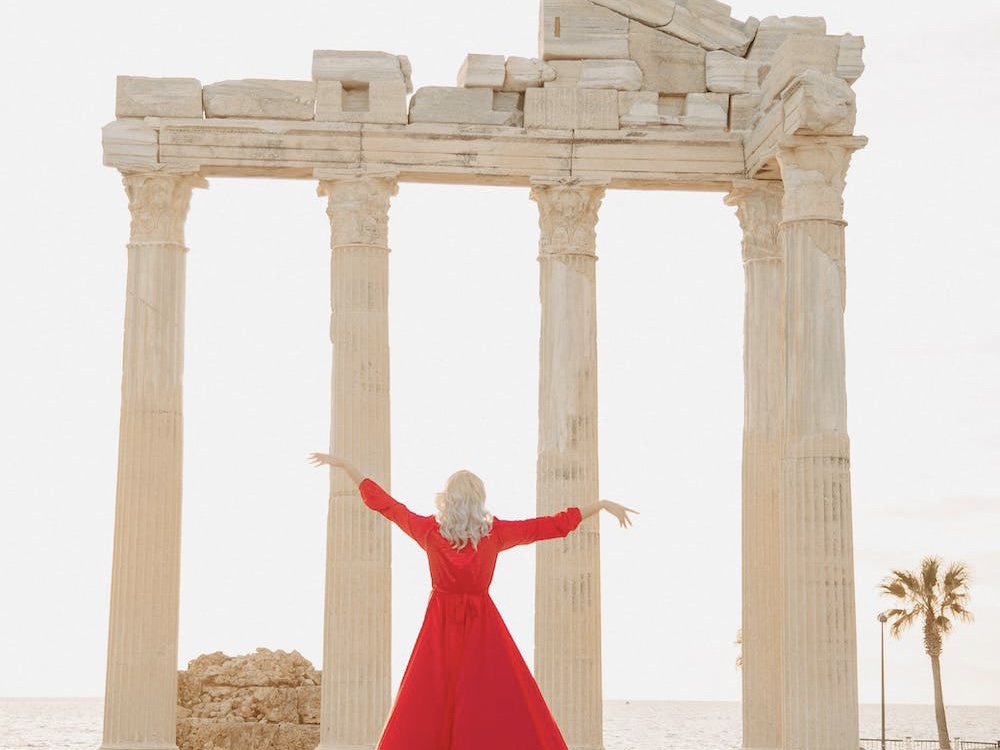
A Guide to Architectural Photography: Capturing Buildings and Structures


Architectural photography, with its blend of artistry and precision, aims to capture the essence of structures, portraying their design, symmetry, and place in their environment. Whether you’re eyeing a historic monument or a modern skyscraper, here’s a guide to help you snap the perfect shot.

1. Understand the Building’s Story

Every structure has a narrative, shaped by its history, purpose, and design:

  • Research about the building. Know its significance and any unique features.
  • Time Your Visit during less crowded hours, ensuring a clear and undistracted shot.

2. Play with Lighting

Natural light dramatically affects the appearance of a structure:

  • Golden Hour: The soft, warm tones during sunrise and sunset provide a beautiful backdrop.
  • Night-time: Urban structures illuminated at night can create dramatic and dynamic images.

3. Opt for Wide-Angle Lenses

Wide-angle lenses, particularly those in the range of 14-35mm, allow you to capture expansive structures fully:

  • They emphasize perspective and depth.
  • Keep an eye out for distortion, especially around the edges. Some post-processing might be needed.

4. Mind the Perspective

How you position your camera in relation to the building can dramatically affect the final shot:

  • Straight-on: Gives a balanced and symmetrical look.
  • Low angle: Emphasizes the structure’s grandeur and dominance.
  • High angle: Can provide a unique bird’s-eye view, especially for buildings with interesting rooftops or courtyards.

5. Include Contextual Elements

While the building is the star, don’t neglect its surroundings:

  • Nature: Trees, clouds, or water bodies can complement the building.
  • Urban Elements: People, cars, or other buildings provide scale and contrast.
  • Frame Your Shot: Use archways, windows, or other structures to frame the primary building, adding depth and interest.

6. Optimal Camera Settings

  • Aperture: A small aperture (higher f-number) ensures both the building and its surroundings are in focus.
  • ISO: Keep it low to minimize noise, especially if shooting in broad daylight.
  • Shutter Speed: If shooting handheld, ensure a fast enough speed to eliminate blur. A tripod can be invaluable for longer exposures.

7. Post-Processing Tweaks

After capturing, refining your images through software can make them pop:

  • Straighten and Correct: Address any lens distortions or skewed lines.
  • Enhance: Adjust contrast, brightness, and saturation for a more striking image.
  • Crop: Focus on the most impactful part of the image, removing any unnecessary distractions.

Architectural photography is a dance between technical precision and artistic vision. As you dive into this genre, remember that while rules and guidelines help, it’s your unique perspective that will make the shot stand out. Whether you’re capturing the rugged charm of a centuries-old castle or the sleek lines of a contemporary office building, every shot is an opportunity to tell a story.

Photography Workshops and Retreats: Are They Worth It?


Photography, a realm of endless creativity and discovery, is a journey best shared with others. One of the avenues to refine your skills and connect with like-minded enthusiasts is through workshops and retreats. But is the investment of time and money into these gatherings worth it?

1. Learning from Experts

Photography workshops are typically led by seasoned professionals who bring a wealth of knowledge and real-world experience. They provide you with a rare opportunity to:

  • Learn advanced techniques firsthand.
  • Receive personalized feedback on your work.
  • Understand the business side of photography, if that’s your end goal.

2. Hands-on Experience

Retreats often take you to picturesque locales, where you’re not only immersed in theory but also practice:

  • Experiment with new techniques in real-time.
  • Encounter and overcome challenges in unfamiliar settings.
  • Develop a portfolio with unique, diverse subjects and landscapes.

3. Networking and Community Building

Joining a workshop or retreat can introduce you to a community of photographers at various stages in their journey:

  • Collaborate on projects.
  • Exchange tips and resources.
  • Build relationships that can lead to future opportunities and collaborations.

4. A Break from the Mundane

Retreats, set in often tranquil and scenic locations, can be a refreshing break:

  • Detach from your daily routine and immerse yourself fully in photography.
  • Discover inspiration in new environments.
  • Refocus and re-energize your passion for the craft.

5. Cost Consideration

While there are undeniable benefits, workshops and retreats can be pricey. Consider:

  • The value of the knowledge and experience on offer.
  • Potential discounts for early bookings or group participations.
  • Exploring local workshops which might be more affordable than destination-based ones.

6. Tailored Experiences

There’s a vast array of options available, from niche workshops focusing on a particular style or technique to broader ones covering the A-Z of photography. Ensure the curriculum aligns with your current skill level and what you hope to achieve.

Photography workshops and retreats can be transformative experiences, significantly accelerating your learning curve. However, they’re an investment, both in terms of time and money. Research thoroughly, read testimonials, and weigh the potential benefits against the costs. For many, these gatherings have been pivotal, not just in honing skills but also in forging lasting connections in the photography community. If aligned with your goals and budget, they might just be the boost you need on your photographic journey.

Understanding Camera Anatomy: From Sensor to Shutter


For many, a camera is a magical device that captures memories. Yet, if you peel back its layers, it’s a marvel of engineering and design. Let’s journey through the core components that make up the anatomy of a camera, demystifying its intricate workings.

1. The Sensor: Heart of the Digital Camera

  • Role: It’s the digital age equivalent of film, capturing light and transforming it into an image.
  • Types: Sensors come in various sizes like Full-Frame, APS-C, and Micro Four Thirds. The size plays a pivotal role in image quality, depth of field, and field of view.

2. The Lens: The Camera’s Eye

  • Function: Lenses direct light onto the sensor. Their design determines how the subject will be portrayed in the final image.
  • Elements: A lens consists of multiple glass elements, each serving a specific purpose in refining the light’s pathway.
  • Aperture: Located within the lens, the aperture controls the amount of light reaching the sensor. It’s responsible for the depth of field in images.

3. The Shutter: Controlling Light Exposure

  • Mechanism: Think of it as a curtain in front of the sensor. When you take a photo, the shutter opens and closes, allowing light to hit the sensor for a specified duration.
  • Shutter Speed: Determines how long the shutter remains open. Faster speeds freeze motion, while slower speeds introduce motion blur.

4. The Mirror: DSLR’s Unique Component

  • Role (In DSLRs): Directs light from the lens up into the optical viewfinder. When you press the shutter button, the mirror flips up, allowing light to reach the sensor.
  • Mirrorless Cameras: As the name suggests, they lack this mirror mechanism, instead, providing a digital display or electronic viewfinder.

5. The Viewfinder: Your Window to the World

  • Optical Viewfinder (OVF): Found in DSLRs, it lets you see your subject directly through the lens.
  • Electronic Viewfinder (EVF): Common in mirrorless cameras, it displays a digital image of the scene, often with added information overlays.

6. The Image Processor: The Camera’s Brain

  • Function: Once the sensor captures the light, the image processor translates it into a recognizable image. It adjusts colors, sharpness, and helps reduce noise.
  • Performance: A faster processor not only produces better images but also allows for quicker continuous shooting and faster autofocus.

7. Buttons and Dials: Customization and Control

From the mode dial, letting you choose between manual, aperture priority, and other modes, to buttons that adjust ISO, white balance, and more – these controls give photographers the tools to capture their vision precisely.

A camera is more than just the sum of its parts. While understanding its anatomy and the role of each component can enhance your photographic skills, it’s the synergy between the artist and their instrument that creates magic. Whether you’re a budding photographer or a seasoned pro, taking a moment to appreciate the marvels of camera engineering can only deepen your connection to the craft.

The Business of Photography: Tips for Turning Passion into Profit


Transforming a passion for photography into a profitable venture requires more than just artistic vision; it demands entrepreneurial spirit and business acumen. If you’ve ever dreamed of earning from your shutter skills, these guidelines will help chart a course towards making your photography business thrive.

1. Find Your Niche:

Identifying a specialized area not only sets you apart but also narrows down your target audience. Whether it’s wedding, wildlife, portrait, or architectural photography, find what ignites your passion and focus on mastering it.

2. Build a Portfolio:

  • Quality Over Quantity: Showcase only your best work, even if it means having fewer images.
  • Diversity: Even within your niche, display a variety of shots that highlight your versatility and range.
  • Online Presence: An attractive, user-friendly website can draw potential clients and establish credibility.

3. Set Your Pricing:

  • Market Research: Investigate what others in your niche and region are charging.
  • Cost Analysis: Account for equipment, travel, editing time, and other overheads to ensure you’re making a profit.
  • Value Proposition: Justify your pricing by offering something unique, be it your style, approach, or the overall client experience.

4. Networking:

  • Local Collaborations: Partner with local businesses or other artists for mutual promotion.
  • Attend Workshops: Join photography workshops not just for skill enhancement but also to connect with peers.
  • Social Media: Engage actively on platforms like Instagram, showcasing your work and connecting with a larger audience.

5. Client Relations:

  • Clear Communication: Ensure you understand the client’s needs and they know what to expect.
  • Contracts: Always have a clear, written agreement outlining deliverables, payment, and other crucial aspects.
  • Feedback Loop: Post-project, gather feedback. It’s invaluable for growth and refining your service.

6. Continuous Learning:

Photography, like all art forms, evolves. Stay updated with the latest techniques, equipment, and trends. It not only improves your craft but shows clients that you’re committed to delivering the best.

7. Manage Finances Wisely:

  • Budgeting: Allocate funds for equipment, marketing, and other essentials.
  • Save for the Rainy Day: A fluctuating income is common in freelancing. Having savings can help during lean periods.
  • Invest in Yourself: This could be in the form of courses, new equipment, or marketing. Reinvesting in your business is key to growth.

Turning passion into profit in the photography world is undeniably challenging. It’s a market brimming with talent, and standing out requires both exceptional imagery and sharp business skills. With determination, continuous growth, and a touch of business flair, your camera can not only capture moments but also lead to a rewarding career.

A Guide to Filters: Polarizers, ND Filters, and When to Use Them


Photography filters have been a staple in photographers’ gear bags long before the digital era, and with good reason. These simple, translucent tools can significantly impact the quality of an image, controlling reflections, reducing glare, and even managing the amount of light entering the lens. Among the myriad of available filters, Polarizers and Neutral Density (ND) filters stand out as essentials. Let’s dive deep into their functions and applications.

1. Polarizing Filters (PL):

  • What are they?
    Polarizing filters enhance image quality by blocking certain light waves from entering the lens. This has the effect of reducing glare, deepening blue skies, and enhancing colors.
  • When to use them?
  • Landscapes: They’re perfect for deepening a blue sky or making clouds pop against the backdrop.
  • Water & Glass: Polarizers reduce reflections, making it easier to see through surfaces like water or glass.
  • Color Saturation: By reducing unwanted reflections, colors can appear more vibrant.
  • Considerations:
    Polarizers can darken an image by 1-2 stops, so you may need to adjust your exposure settings accordingly. They work best when the sun is at a 90-degree angle to your subject.

2. Neutral Density Filters (ND):

  • What are they?
    ND filters are like sunglasses for your camera. They reduce the amount of light entering the lens without affecting the colors. They come in various strengths, typically measured in stops.
  • When to use them?
  • Long Exposures: Want that silky smooth look in waterfalls or rivers? ND filters allow for longer exposures in daylight.
  • Video: For filmmakers looking to achieve a cinematic look with a shallow depth of field in bright conditions, an ND filter is invaluable.
  • Portraits: For shooting with a wide aperture in bright sunlight, allowing for a blurred background.
  • Considerations:
    The strength of the ND filter you need depends on the lighting conditions and desired effect. They range from ND2 (1-stop reduction) to ND1000 (10-stop reduction) and beyond.

3. Combination Filters:

Some filters combine the effects of both polarizers and NDs. For instance, a polarizing ND filter can reduce reflections while also allowing for long exposures.

4. How to Choose the Right Filter:

  • Size Matters: Ensure the filter fits the diameter of your lens.
  • Quality is Key: Higher quality filters provide better clarity and reduce the risk of unwanted artifacts or color shifts.
  • Know Your Needs: Consider the type of photography you do most often. Landscape photographers might prioritize polarizers, while portrait or street photographers might lean towards NDs.

Filters, though often overlooked in the digital age, remain indispensable tools for both amateur and professional photographers. They offer creative control in challenging conditions and can significantly elevate the quality of an image. Whether you’re capturing the serene flow of a river or the vibrant hues of an autumn forest, there’s a filter out there to make your vision a reality.

Night Photography: Challenges and Rewards of Shooting After Dark


The allure of night photography lies in its ability to unveil a world that is often hidden from our eyes. Cities come alive with neon lights, stars paint the sky, and landscapes take on a mystical aura. But with its beauty, night photography brings unique challenges. Let’s embark on a nocturnal journey to understand the pitfalls and the prizes of shooting in the dark.

1. Challenges of Night Photography:

  • Low Light: The most evident challenge is the lack of light. This necessitates longer exposures, larger apertures, and higher ISO settings, all of which can affect image quality.
  • Focus Difficulties: Autofocusing systems often struggle in low light, making it essential to understand manual focus techniques.
  • Unexpected Light Sources: Flares from streetlights, headlights, or other artificial sources can interfere with your composition or cause unwanted reflections.
  • Cold and Safety: Nighttime often brings colder temperatures, and shooting in secluded areas can raise safety concerns.

2. Overcoming the Challenges:

  • Sturdy Tripod: This is a night photographer’s best friend. It allows for long exposures without the blur from camera shake.
  • Remote Shutter Release: To avoid even the slightest shake from pressing the shutter button, a remote release is invaluable.
  • Wide Aperture Lenses: A lens with a large maximum aperture (like f/1.8 or f/2.8) lets in more light, making it easier to capture images in dim conditions.
  • Use Live View: When focusing manually, switch to live view and magnify the image to ensure your focus is spot on.
  • Safety First: Always inform someone of your whereabouts and consider shooting with a companion, especially in remote areas.

3. The Rewards Awaiting:

  • Starry Skies: Far from city lights, the Milky Way and constellations can be captured in all their glory.
  • Cityscapes: Urban environments transform at night, with illuminated buildings, moving traffic, and vibrant neon signs offering dynamic photo opportunities.
  • Mystical Landscapes: The ethereal glow of the moon or the first hints of dawn can turn familiar landscapes into otherworldly vistas.
  • Creativity: Play with light trails, capture reflections in puddles or experiment with black and white for moody monochromatic shots.

4. Post-Processing Magic:

Night images often benefit from post-processing. Adjusting the exposure, enhancing the colors, and reducing noise can transform a good shot into a stunning one. Software like Lightroom and Photoshop are essential tools in a night photographer’s arsenal.

Night photography is a dance between challenges and rewards. While the technical difficulties may seem daunting, the results—when done right—are nothing short of magical. With patience, practice, and a spirit of adventure, the night can reveal its secrets, one frame at a time. So, grab your camera, venture into the night, and discover the world in a new light.

The Role of AI in Photography: Enhancements, Editing, and More


As artificial intelligence (AI) continues to weave its way into multiple facets of our lives, photography is no exception. The integration of AI into photography tools and techniques is reshaping how we capture, process, and perceive images. Let’s delve into the transformative power of AI in the world of photography.

1. Smart Capturing:

  • Scene Recognition: Modern cameras and smartphones equipped with AI can identify various scenes – from landscapes to portraits – and automatically adjust settings for the optimal shot.
  • Face and Eye Detection: Focusing on subjects has never been easier. AI-driven cameras can lock onto faces or even eyes, ensuring that your portraits are always sharp.

2. Enhanced Processing:

  • Automatic Image Enhancement: AI tools can analyze an image and automatically adjust exposure, contrast, and saturation, often achieving results that might take a human editor considerable time.
  • Noise Reduction: Grainy photos taken in low light can be cleaned up with AI. It can intelligently reduce noise while preserving details, improving the clarity of nighttime shots.

3. Advanced Editing:

  • Object Removal or Replacement: Want to remove a photobomber or replace a cloudy sky? AI software can seamlessly perform these edits, understanding and replicating the surrounding context.
  • Style Transfer: Inspired by a famous painting? AI can transform your photos to mimic particular artistic styles, creating unique and eye-catching results.

4. Virtual Reality and Augmented Reality:

  • AI-driven VR/AR: AI can generate 3D models from 2D images, allowing photographers to create virtual scenes. This has huge implications for fields like real estate, where virtual home tours can be crafted from simple photographs.

5. Learning and Adaptation:

  • Personalized Edits: Some AI-driven software can learn your editing style over time, suggesting personalized edits that align with your preferences.
  • Tutorials and Assistance: For beginners, AI can analyze photos and provide feedback or tutorials on improving composition, exposure, or other elements.

6. Ethical Considerations:

  • Deepfakes and Manipulation: With the power of AI comes the ability to manipulate images to a degree previously thought impossible. Deepfakes, or AI-altered videos and photos, can create entirely fabricated scenarios, necessitating discussions about authenticity and ethics in photography.

The fusion of AI and photography is both exciting and transformative. As AI technologies evolve, they open new frontiers for creativity, efficiency, and innovation in photography. However, with these advancements, photographers must also remain vigilant and ethical, ensuring the line between reality and manipulation remains clear. In the end, AI is a tool, and its impact—be it positive or negative—largely depends on how we choose to wield it.

Underwater Photography: A Dive into the Deep Blue


Underwater photography is like discovering an entirely new world. Every plunge beneath the waves reveals vibrant corals, mesmerizing marine life, and the serene beauty of the aquatic realm. But capturing this splendor is no small feat. Dive with us as we explore the nuances and techniques of underwater photography.

1. Gear Up:

  • Underwater Camera Housings: Even if your camera is ‘waterproof,’ a specialized housing is essential for deeper dives. These casings protect your camera from water and pressure.
  • External Strobes and Lights: Natural light fades rapidly underwater. External strobes help illuminate the scene, bringing out the true colors of marine life.
  • Wide-angle and Macro Lenses: A wide-angle lens captures vast scenes like coral reefs, while a macro lens is perfect for detailed shots of smaller creatures.

2. Master the Basics:

  • Buoyancy Control: Before snapping photos, learn to control your buoyancy. Good buoyancy ensures you don’t disturb marine life or damage the coral.
  • Get Close, Then Closer: Water can reduce color, contrast, and sharpness. The closer you are to the subject, the clearer your shots will be.
  • Mind Your Shutter Speed: Faster shutter speeds capture fast-moving fish, while slower speeds are great for static scenes.

3. Understanding Light Underwater:

  • Reds and Oranges First to Go: As you descend, red and orange wavelengths get absorbed first, making scenes appear blue-green. Using a flashlight or strobe can reintroduce these colors.
  • White Balance: Regularly adjust your camera’s white balance or shoot in RAW to correct colors during post-processing.

4. Respect the Marine Environment:

  • Look, Don’t Touch: It’s tempting to get that perfect shot, but never disturb or harass marine creatures. Some can be very fragile, and touching can cause them harm.
  • Be Aware of Your Surroundings: Avoid dragging equipment or kicking up sand, which can damage habitats and reduce photo clarity.

5. Post-Dive Processing:

  • Editing Tools: Software like Lightroom and Photoshop can help correct colors, enhance sharpness, and remove unwanted particles.
  • Cropping: Given the vastness of the ocean, sometimes subjects appear smaller in frame. Don’t be afraid to crop for a tighter composition.

6. Keep Learning:

The ocean is vast and ever-changing. Join diving groups, attend workshops, and continuously hone your underwater photography skills.

Underwater photography offers a passport to a world less explored, filled with colors and creatures beyond imagination. But like any art, it demands patience, respect, and a continuous desire to learn. So gear up, dive deep, and let the mysteries of the deep blue inspire your next great shot!

The Ethics of Photography: Understanding Consent and Privacy


Photography, at its core, captures moments in time. But in the pursuit of the perfect shot, it’s essential not to forget the ethical considerations surrounding the subjects and the scenes we photograph. This article delves deep into the world of photographic ethics, particularly focusing on consent and privacy.

1. The Power of an Image:

Photographs have the power to change perspectives, inspire movements, and evoke strong emotions. With this power comes a responsibility: the responsibility to portray subjects with respect and integrity. Misrepresentation or invasion of one’s privacy can have lasting effects on individuals and communities.

2. Consent is Crucial:

  • Explicit Consent: If you’re photographing a person in a private space or for commercial use, it’s essential to get their explicit permission, preferably in writing. This is not just ethical, but often a legal requirement.
  • Implicit Consent: In public spaces, someone posing for your camera or not shying away might be seen as giving implicit consent. Still, it’s always better to ask.
  • Sensitive Situations: In areas of conflict, disaster zones, or personal grief, photographers must tread carefully. Think about the subject’s well-being and if taking or publishing a photograph could endanger or exploit them.

3. Privacy Considerations:

  • Expectation of Privacy: Even in public places, individuals might have an expectation of privacy. For example, someone sharing a personal moment in a park corner, despite being in public, might not expect or desire to be photographed.
  • Children and Vulnerable Populations: Extra care should be taken when photographing minors or vulnerable groups. Always get consent from a guardian and consider the implications of the photograph on the individual’s life.
  • Drones and Telephoto Lenses: The advancement of technology means we can now take photos from a distance or from the sky. However, just because you can doesn’t mean you should. Always consider if you’re invading someone’s private space.

4. Editing and Context:

While post-processing, avoid manipulating images in ways that misrepresent the scene or the subject. Ethical issues can arise not just from how photos are taken, but also how they are presented. Ensure that the context in which you present a photograph does not alter the story it tells.

5. Educate Yourself:

Different cultures and countries have varied perceptions of privacy and different laws concerning public photography. Before shooting, especially abroad, familiarize yourself with local customs and regulations.

Photography is a powerful medium. With every click of the shutter, photographers make decisions about representation, storytelling, and ethics. It’s essential to approach each shot with sensitivity, understanding, and respect for the subjects and the stories behind them. In the end, ethical photography isn’t just about guidelines or rules but cultivating a mindset of empathy and responsibility.

Design a site like this with WordPress.com
Get started