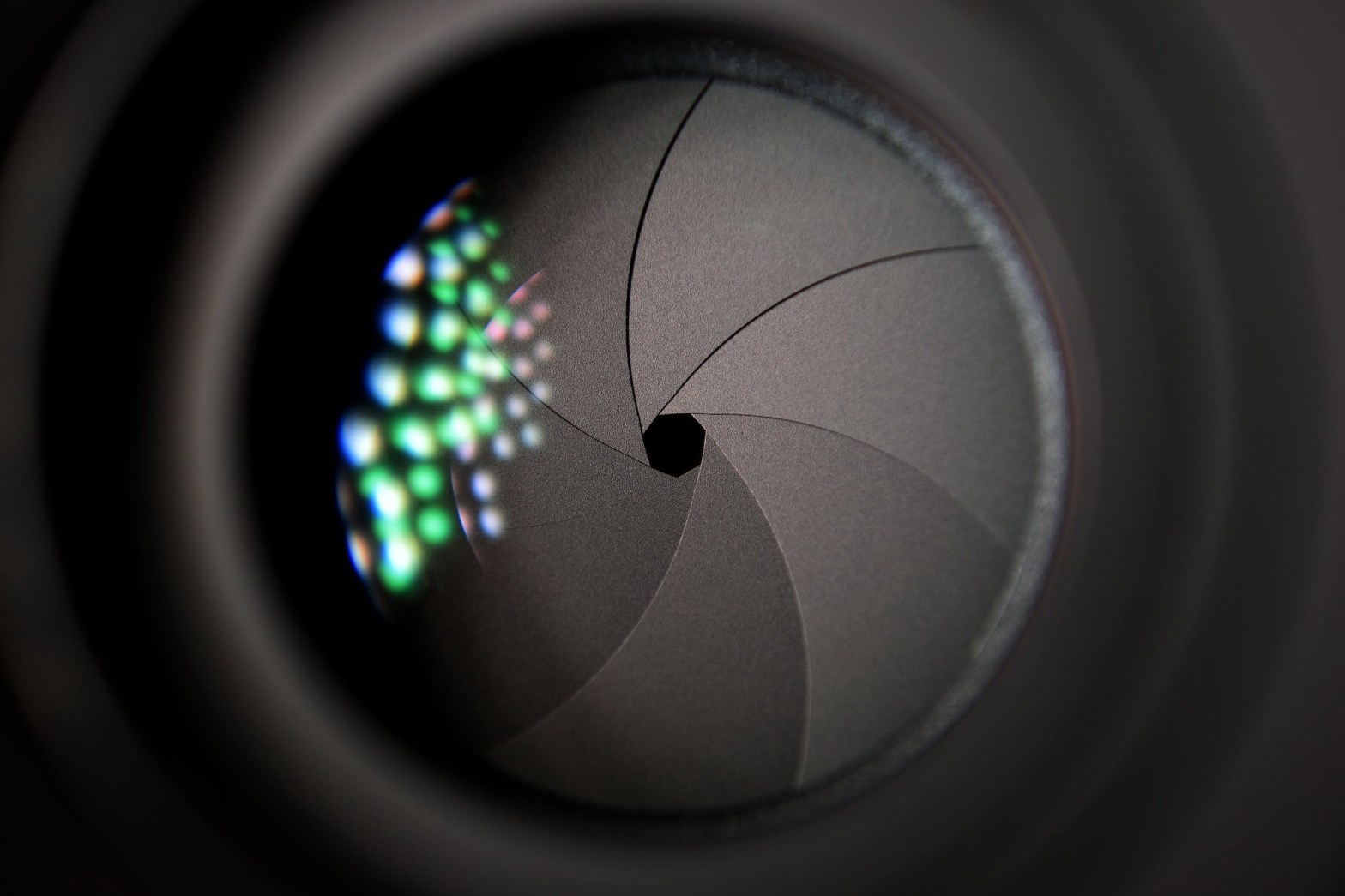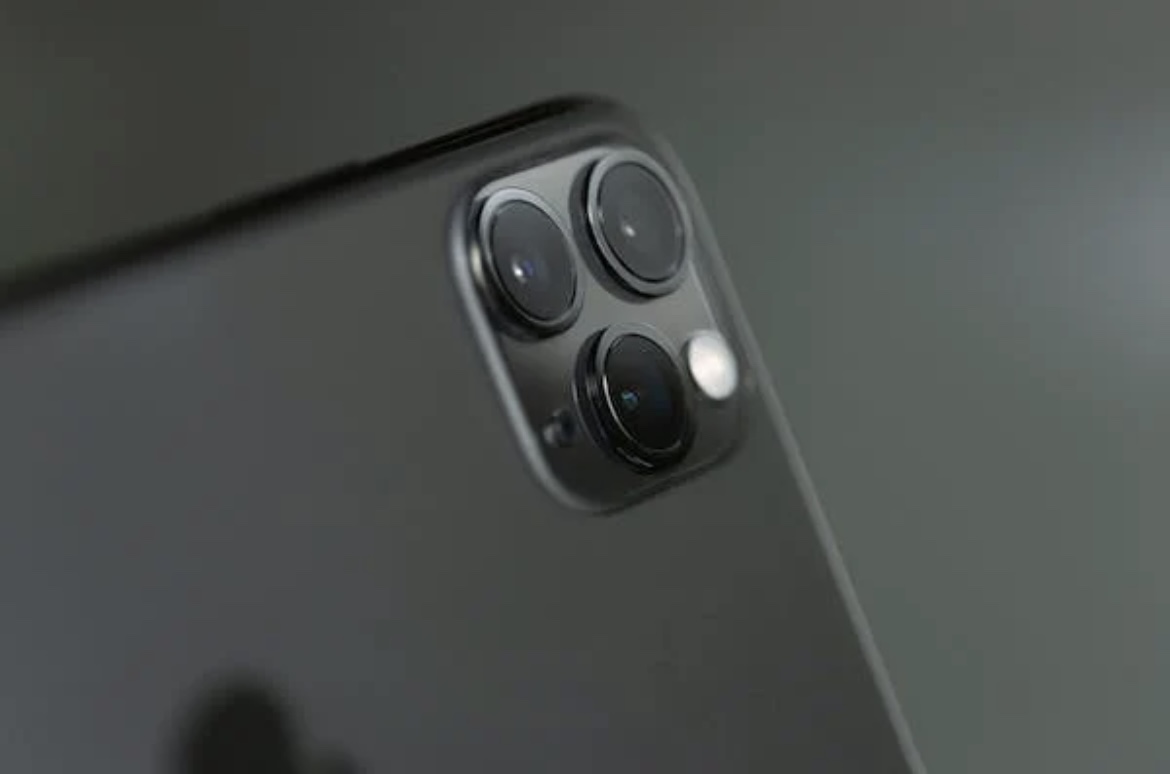
Smartphone vs. DSLR Cameras: A Detailed Comparison


The camera technology within smartphones has seen significant advancements in recent years, prompting a valid question: How do they stack up against traditional DSLR cameras? In this article, we’ll explore the differences between smartphone cameras and DSLR cameras, considering aspects like convenience, quality, and functionality.

1. Image Quality

  • Smartphone Cameras:
  • Pros: Increasingly good quality, especially in flagship models, with AI-enhancements and computational photography.
  • Cons: Smaller sensors, limited low-light capabilities, often struggle with dynamic range.
  • DSLR Cameras:
  • Pros: Larger sensors, interchangeable lenses, superior low-light performance, excellent dynamic range.
  • Cons: Heavier, more expensive, requires more understanding to use effectively.

2. Convenience and Portability

  • Smartphone Cameras:
  • Pros: Always with you, lightweight, easy to use, quick sharing to social media.
  • Cons: Limited battery life that also powers other phone functions, risk of distractions from notifications.
  • DSLR Cameras:
  • Pros: Dedicated tool for photography, long battery life.
  • Cons: Bulky, requires carrying additional lenses and accessories, slower to share images online.

3. Functionality and Control

  • Smartphone Cameras:
  • Pros: User-friendly interfaces, automatic settings, AI-powered modes like portrait and night.
  • Cons: Limited manual controls, fixed lenses (except some models with limited zoom or wide-angle).
  • DSLR Cameras:
  • Pros: Full manual control, ability to use various lenses, more creative freedom.
  • Cons: Steeper learning curve, requires understanding of photography principles.

4. Versatility and Use Cases

  • Smartphone Cameras: Best suited for casual photography, travel, quick captures, and social media sharing.
  • DSLR Cameras: Ideal for professional photography, artistic projects, sports, wildlife, and scenarios requiring high-quality images.

5. Price Considerations

  • Smartphone Cameras: Often more affordable, especially if considering the phone’s multi-functionality.
  • DSLR Cameras: Generally more expensive, especially when factoring in various lenses and accessories.

Smartphone cameras and DSLRs cater to different needs and preferences. While smartphones offer unmatched convenience and are increasingly capable of producing excellent images, DSLRs remain the choice for those seeking professional quality and creative control.

If you’re an everyday photographer looking to capture memories and share them instantly, a smartphone may be all you need. But if you’re pursuing photography as a hobby or profession, investing in a DSLR will provide the tools and flexibility to elevate your work.

Ultimately, the choice between smartphone and DSLR cameras depends on your goals, budget, and the importance you place on image quality and creative expression. In a world where visual storytelling is more accessible than ever, both options have their unique place and value.
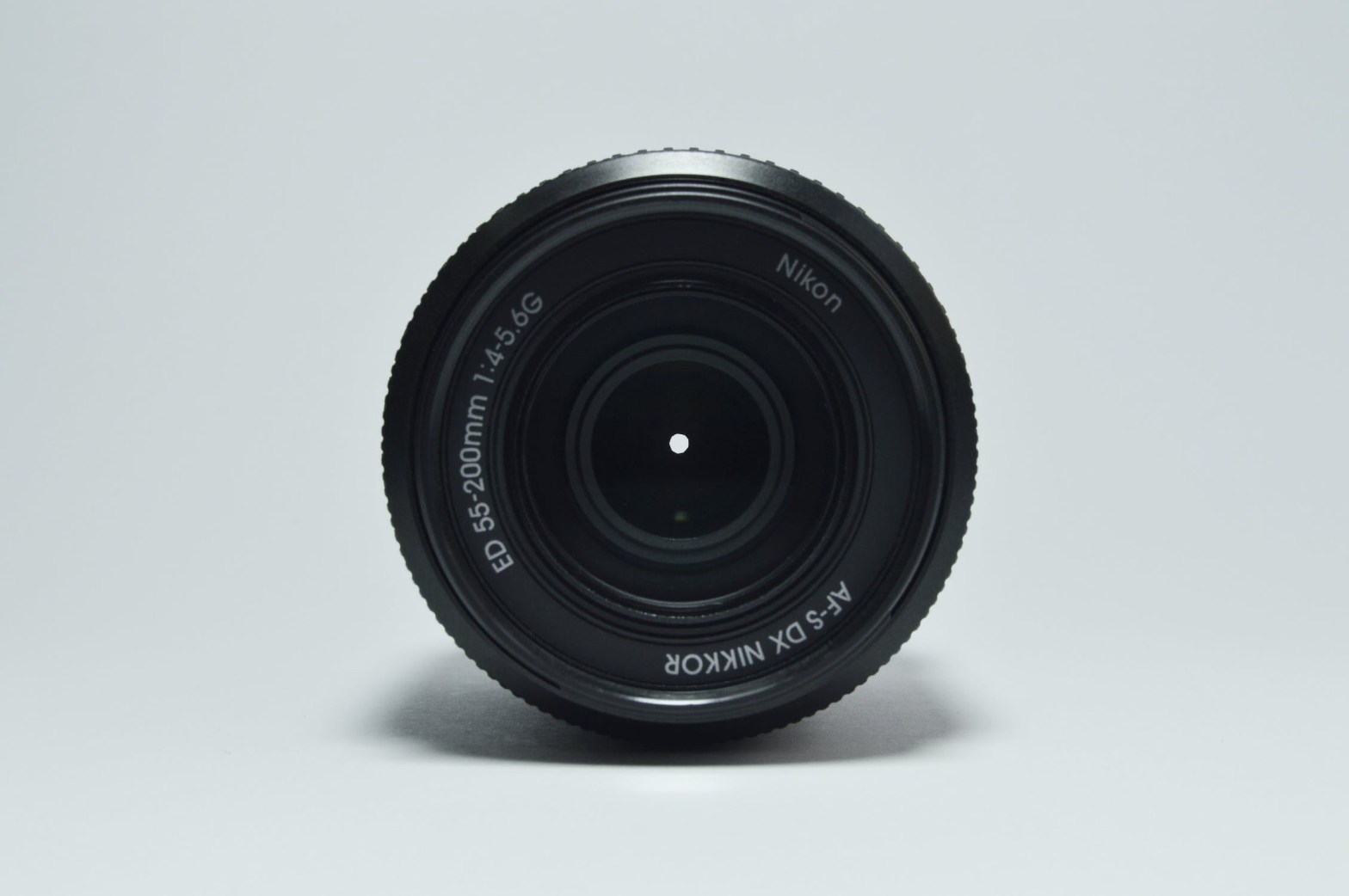
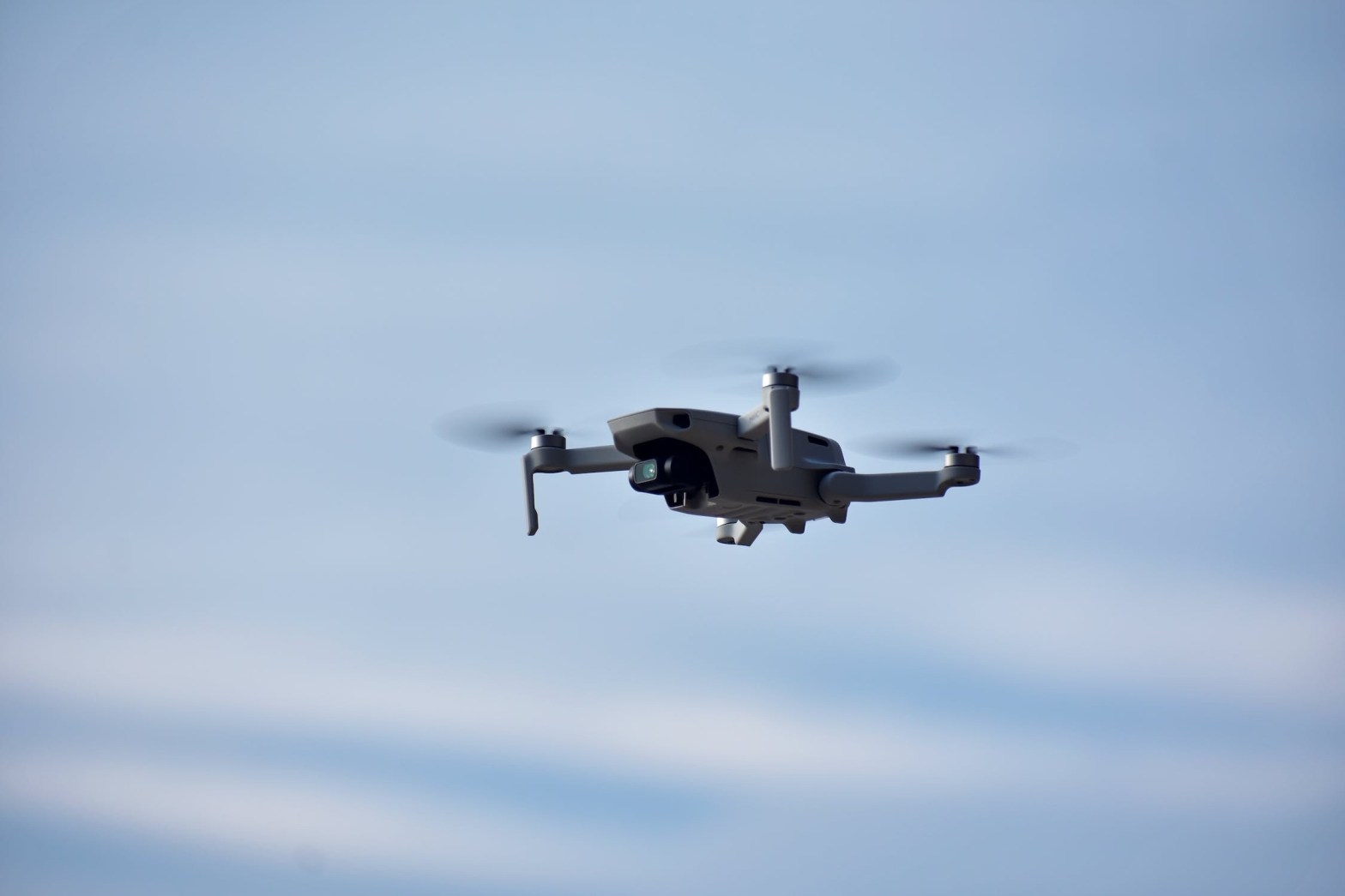
A Beginner’s Guide to Camera Lenses: Exploring Types, Uses, and Choices


The lens is often considered the eye of a camera, shaping the image’s perspective, sharpness, and overall aesthetic. With so many lens options on the market, it can be overwhelming for beginners to know where to start. This guide will demystify camera lenses, exploring different types, their uses, and tips on choosing the right lens for your photography needs.

1. Understanding the Basics

A lens’s main specifications include focal length, aperture, and format compatibility.

  • Focal Length: Measured in millimeters (mm), it defines the lens’s angle of view. A lower number means a wider angle, while a higher number offers a more zoomed-in perspective.
  • Aperture: The opening that lets light into the camera, often represented by an “f” followed by a number (e.g., f/1.8). A lower number means a wider opening, allowing more light and creating a shallower depth of field.
  • Format Compatibility: Make sure the lens fits your camera’s sensor size, such as full-frame, APS-C, or micro four-thirds.

2. Types of Lenses and Their Uses

  • Standard Lenses (35mm to 70mm): Ideal for everyday photography, these lenses provide a view similar to the human eye.
  • Wide-Angle Lenses (less than 35mm): Perfect for landscapes and architecture, these lenses capture a broad field of view.
  • Telephoto Lenses (70mm and higher): Great for wildlife or sports photography, they allow you to zoom in on distant subjects.
  • Prime Lenses: These have a fixed focal length, offering superior sharpness and usually wider apertures but no zoom.
  • Zoom Lenses: Offering a range of focal lengths, zoom lenses provide versatility but may compromise slightly on image quality.
  • Macro Lenses: Designed for extreme close-ups, like insects or flowers, these lenses provide detailed, life-size images.
  • Specialty Lenses (e.g., Fisheye): These offer unique effects and perspectives but may have limited daily use.

3. How to Choose the Right Lens

  • Identify Your Needs: Consider what you’ll be photographing most, whether landscapes, portraits, or close-ups.
  • Set a Budget: Lenses can vary greatly in price, so set a realistic budget and look for the best options within that range.
  • Consider Compatibility: Ensure that the lens you choose is compatible with your camera body, both in terms of mount and sensor size.
  • Think about Versatility: If you want a lens that can handle various subjects, consider a quality zoom lens.
  • Read Reviews and Test: Look for professional reviews and try the lens in a store if possible.

The lens you choose can dramatically affect your photography, so it’s worth investing time and thought into selecting the right one. From the wide-angle vistas to the detailed world of macro, there’s a lens for every creative vision. By understanding the basics and aligning your choice with your needs and budget, you can find the perfect lens to help your photography flourish. Happy shooting!

Top 5 Drones for Photography in 2023: A Comprehensive Review


Drones have revolutionized photography, offering new perspectives and creative possibilities. Whether you’re a professional photographer or an enthusiast looking to experiment, having the right drone can make all the difference. In this article, we’ll explore the top 5 drones for photography in 2023, highlighting their key features, pros, and cons.

1. DroneX ProMaster

  • Features: 6K video, 48MP photos, 40-minute flight time, obstacle avoidance, GPS tracking.
  • Pros: Exceptional image quality, robust build, advanced stabilization, long battery life.
  • Cons: Expensive, may be too complex for beginners.
  • Best For: Professional photographers seeking the best in aerial photography.

2. SkyCapture UltraLite

  • Features: 4K video, 20MP photos, 30-minute flight time, foldable design, beginner-friendly controls.
  • Pros: Affordable, portable, easy to use.
  • Cons: Limited advanced features, less robust build.
  • Best For: Amateur photographers or travelers wanting quality without complexity.

3. AeroView ZoomMaster

  • Features: 6K video, 30MP photos, 45-minute flight time, 8x zoom, AI-powered tracking.
  • Pros: Superior zoom capabilities, intelligent tracking, great battery life.
  • Cons: Slightly expensive, requires practice to master zoom functionality.
  • Best For: Wildlife and sports photographers needing zoom flexibility.

4. UrbanFly Compact

  • Features: 4K video, 16MP photos, 25-minute flight time, compact design, beginner modes.
  • Pros: Highly portable, budget-friendly, suitable for city photography.
  • Cons: Shorter flight time, fewer advanced features.
  • Best For: Urban explorers and hobbyists looking for a portable and affordable option.

5. NatureWing EcoPro

  • Features: 5K video, 24MP photos, 35-minute flight time, eco-friendly materials, weather resistance.
  • Pros: Environmentally conscious, great image quality, weather-resistant.
  • Cons: Slightly less agile, eco-materials may not feel as premium.
  • Best For: Outdoor enthusiasts and eco-conscious photographers.

The world of aerial photography continues to expand, and the options available for drones are more varied and advanced than ever. From professional-grade drones like the DroneX ProMaster to budget-friendly options like the UrbanFly Compact, there is something for every level and style of photography.

When selecting the right drone, consider what you’ll be photographing, your skill level, and your budget. The technology in 2023 offers exciting opportunities to elevate your photography, providing you with tools that were once only available to top professionals. Happy flying, and may your photographs soar to new heights!

Understanding Camera Sensors: A Comprehensive Guide


Camera sensors are at the heart of every digital camera, playing a crucial role in transforming light into a digital image. The type and size of the sensor can significantly impact the quality, clarity, and detail of the photos you take. This article aims to demystify the concept of camera sensors, explaining different types and how they affect photography.

1. What is a Camera Sensor?

A camera sensor is a silicon-based semiconductor that captures light coming through the camera’s lens. Each tiny point on the sensor represents a pixel in the final image. The sensor converts the light into an electrical signal, which the camera’s processor then translates into an image.

2. Types of Camera Sensors

There are primarily two types of camera sensors used in modern digital cameras:

  • CCD (Charge-Coupled Device): Known for their high quality and low noise, CCD sensors are typically found in professional cameras. They offer excellent image quality but are generally more expensive and consume more power.
  • CMOS (Complementary Metal-Oxide-Semiconductor): CMOS sensors are more common in consumer cameras and smartphones. They are more energy-efficient and cost-effective than CCDs but can sometimes produce more noise, especially in low-light conditions.

3. Sensor Sizes and Their Impact

Sensor size plays a vital role in image quality. Common sensor sizes include:

  • Full Frame: Comparable to traditional 35mm film, offering excellent low-light performance and a wide field of view.
  • APS-C: Smaller than full frame but still offers great quality, especially for amateur photographers.
  • Micro Four Thirds: Often found in compact and mirrorless cameras, providing a balance between size, cost, and quality.
  • 1-inch or Smaller: Typically found in point-and-shoot cameras and smartphones, these sensors are more budget-friendly but may lack detail and low-light performance.

4. Megapixels and Resolution

It’s essential to note that more megapixels don’t necessarily mean better image quality. The size and quality of the pixels themselves often matter more. A larger sensor with fewer megapixels might capture more detail and better dynamic range than a smaller sensor packed with pixels.

Understanding camera sensors is vital for photographers, whether amateurs or professionals. The type and size of the sensor can greatly influence your camera’s performance and the final image quality. By knowing what to look for, you can make a more informed decision when purchasing a camera, ensuring that it aligns with your specific needs and preferences.

Whether you’re capturing landscapes, portraits, or action shots, the right sensor can make all the difference. Next time you pick up a camera, you’ll have a deeper appreciation for the incredible technology that turns a moment’s glance into a lasting memory.

Design a site like this with WordPress.com
Get started